Are White Spots on Teeth Permanent?
Let’s start off with the question that’s likely top of mind: are white spots on teeth permanent?
Not necessarily. White spots could be from a simple case of tooth dehydration that resolves in hours, or could be a more difficult case of deep lesions caused by demineralization of the enamel, which require professional treatment to improve.
Tooth Dehydration White Spots
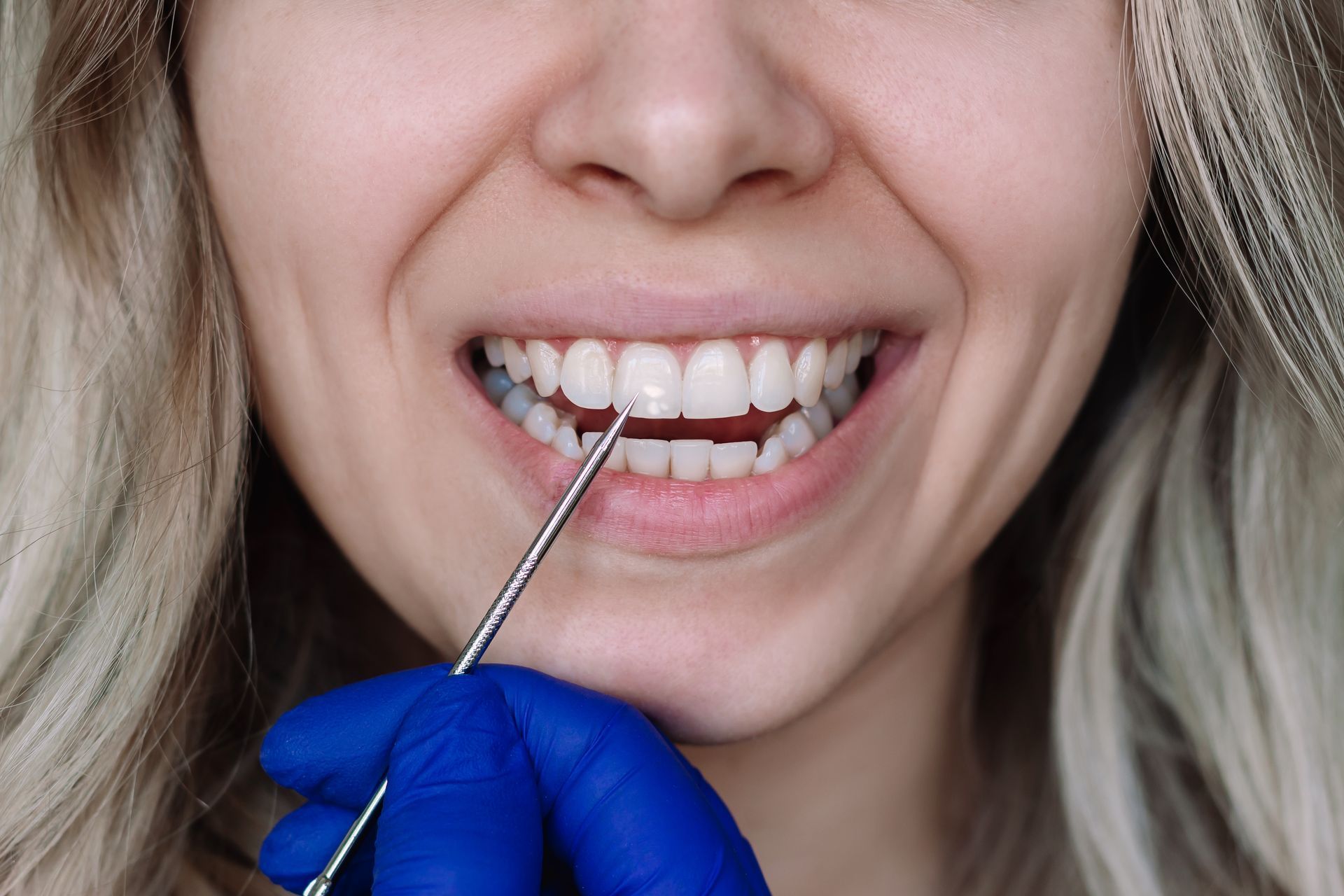
Tooth dehydration white spots are the easy ones. When enamel dries out it scatters light differently. This dehydration could be seen after whitening, after a dental appointment, or after a night of mouth breathing. When tooth dehydration is the culprit for your white spots, the treatment is easy: just wait a few hours while your saliva rehydrates the enamel.
Demineralization White Spots
White spots caused by demineralization are the ones that matter. Basically, acid pulls minerals from your enamel leaving behind a visible white patch. When the white spot is shallow, there’s a real potential for improvement. This is why spots after braces often fade over the first few months once saliva and fluoride are able to reach the area where the brackets were once making it more difficult to keep clean. However, with white spots that are deeper and older, they could require treatments like resin infiltration and microabrasion.
So, will white spots on teeth go away on their own with proper dental hygiene? Some will, but others will need help from a professional. For these more stubborn cases, can you reverse white spots on teeth? True reversal gets harder the deeper the lesion is, but treatments like resin infiltration and microabrasion can dramatically improve their appearance. One thing is always true: the earlier you act, the more options you have.
What Causes White Spots on Teeth?
Most white spots are caused by demineralization, which happens when acid pulls minerals like calcium and phosphate from the enamel. The demineralized area of the tooth appears white, because it’s less dense than the surrounding enamel and therefore, light reflects off the surface differently.
The acid that’s responsible for demineralization is a result of plaque bacteria feeding on sugars and producing acid as a byproduct. This is why removing plaque through proper brushing and flossing is so important.
A lot of people search for “white spots on teeth calcium,” thinking that white spots are calcium
deposits
building up on the surface of the tooth. However, it’s actually the reverse where calcium is being pulled out of the tooth.
Plaque isn’t the only reason for white spots, though. Two other causes:
Fluorosis
Fluorosis is when there’s too much fluoride when teeth are developing and is often from kids swallowing toothpaste. It’s cosmetic and harmless.
Enamel Hypoplasia
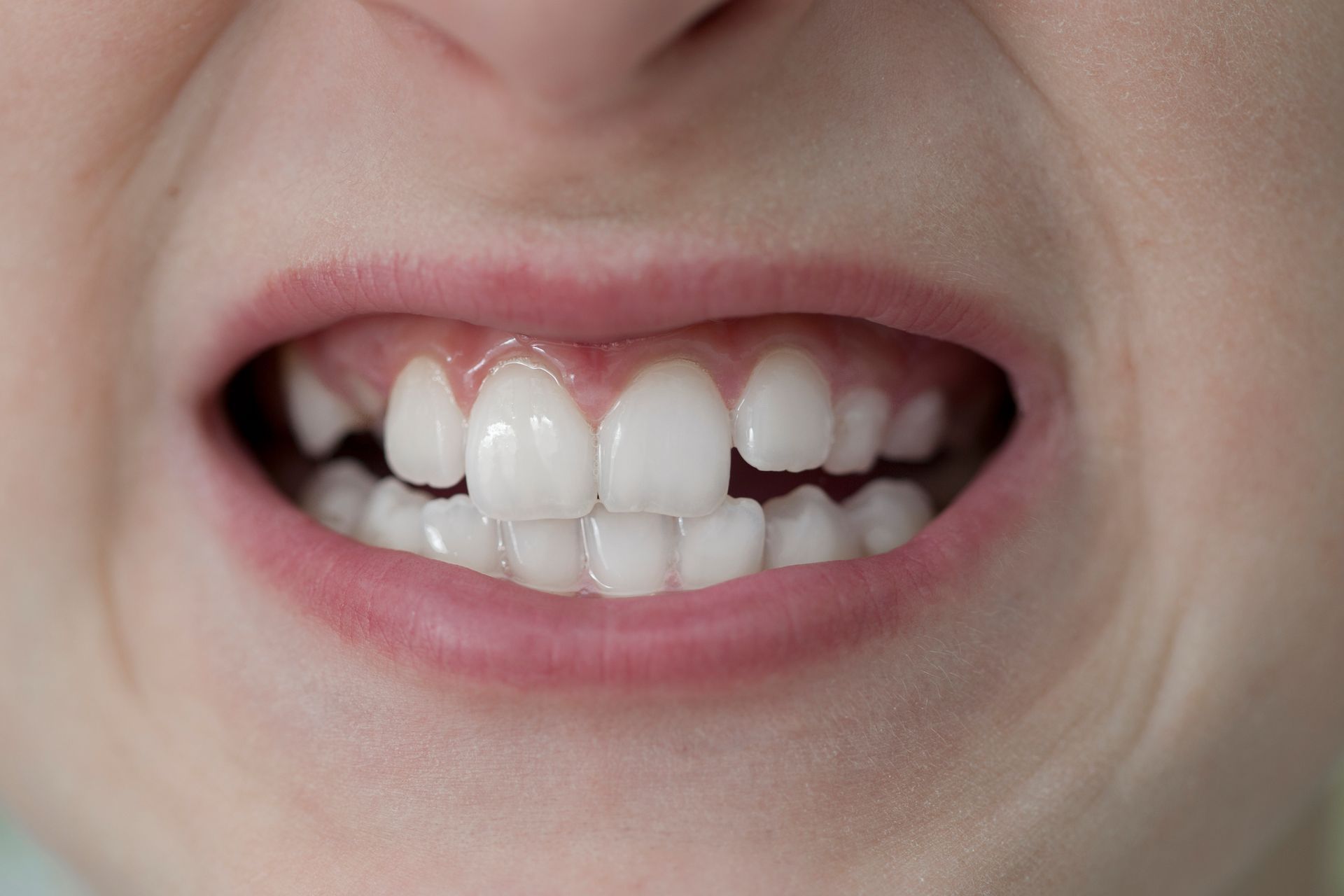
According to the Cleveland Clinic, enamel hypoplasia happens when enamel formation is disrupted and develops before teeth ever erupt. That’s why it’s a common reason for white spots on new teeth coming in. It can be from genetics, childhood illness, certain medications, trauma to the tooth during development, or a diet short on calcium and vitamin D during development.
Why Do Braces Cause White Spots on Teeth?
Braces don’t cause white spots. Trapped plaque does.
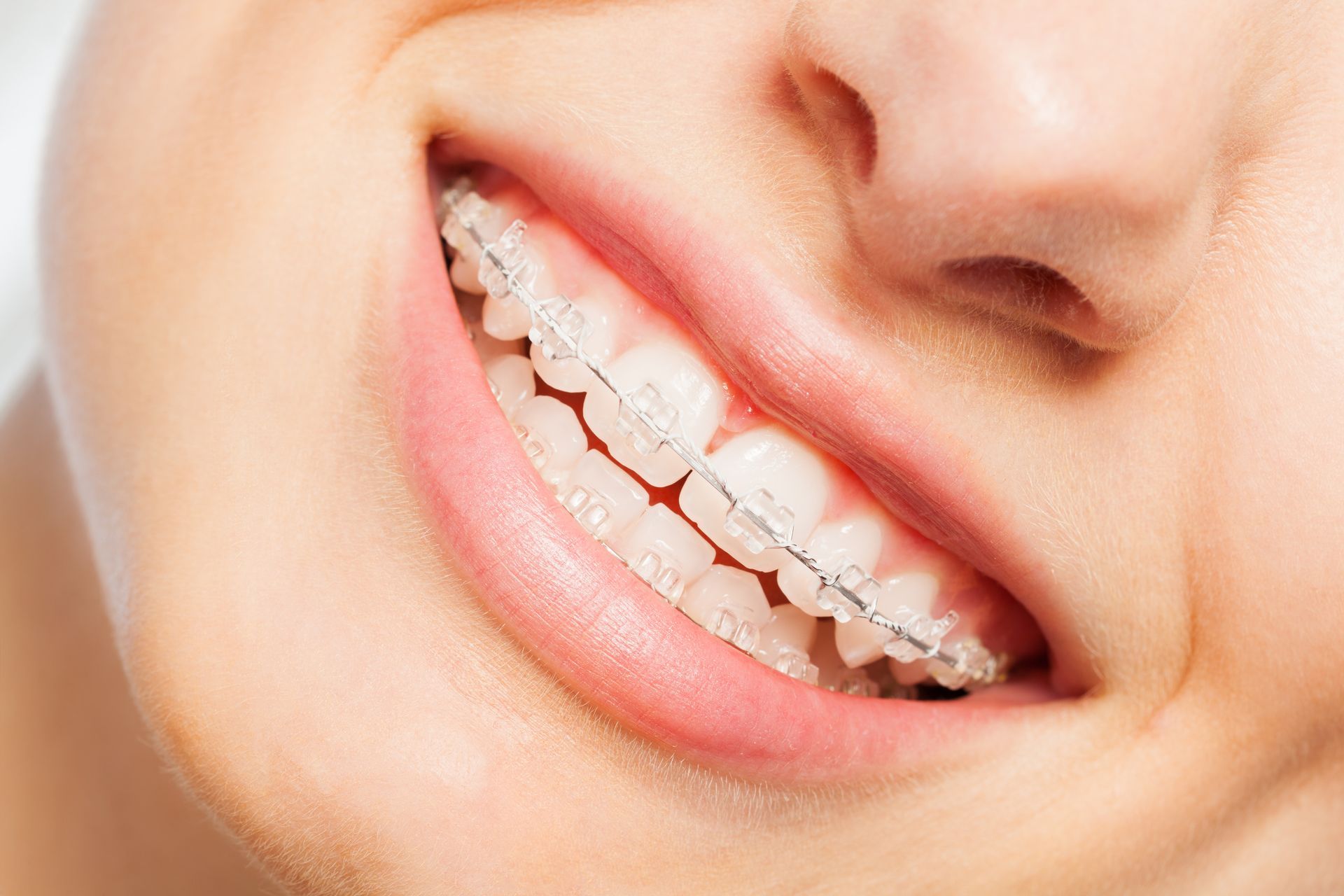
So what exactly is happening? Well, the brackets and wires of braces create tight spaces that are hard to reach with a toothbrush. Over time, plaque builds up in these areas and the acid produced by plaque bacteria attacks the enamel. Teeth with white spots from braces have a very distinct pattern because that demineralization is often happening in localized areas around the edges of each bracket.
One thing to clarify: a lot of people will search for things like braces white spots or white stains on teeth from braces. But the reality is that white spots aren’t surface stains. They’re changes happening inside of the enamel. This is why when you try to brush away the white spots, they don’t budge.
White patches on teeth after braces are quite common. A meta-analysis published in the Journal of International Society of Preventive and Community Dentistry found that 45.8% of patients developed new white spot lesions during fixed braces treatment.
You might be thinking, well I guess I have to be resigned to it happening, right? Wrong. White spots during braces treatment can be prevented with the right oral hygiene. Let’s look at what that might look like.
How to Prevent White Spots During Braces
Preventing white spots simply comes down to making sure plaque doesn’t build up around the brackets.
Here’s a list of tips for making that happen:
Brush after every meal, not just morning and night. Food debris can turn into plaque quickly, so it’s best to remove it as soon as you can.
Angle the bristles of your toothbrush around each bracket. It’s important to get the bristles up against the edges of your brackets since this is where food particles hide the most. According to the American Association of Orthodontics, the upper front teeth are where white spots show up most commonly, so make sure you give them extra attention.
Use fluoride toothpaste. Fluoride helps redeposit minerals into your enamel.
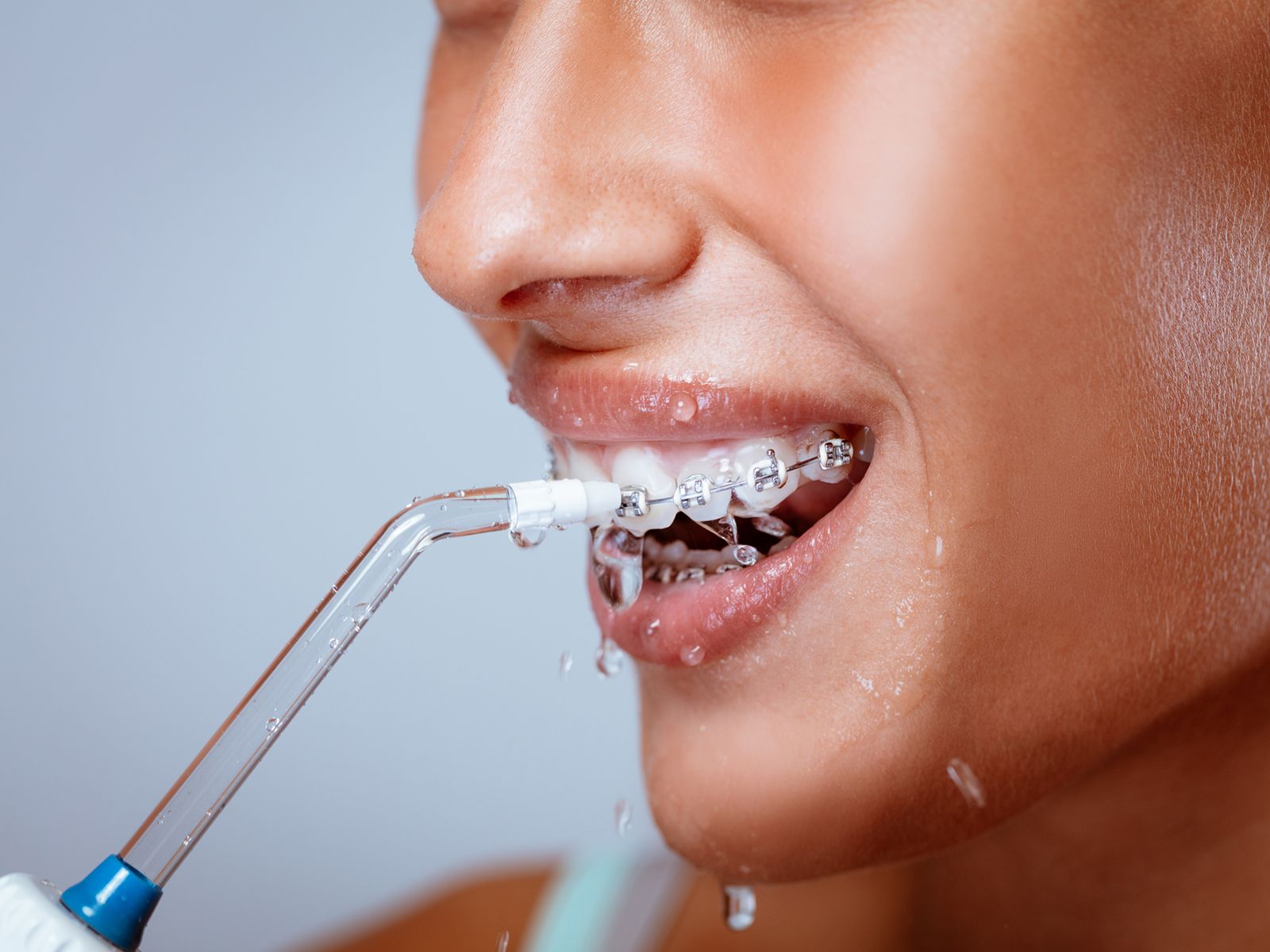
Get a water flosser. These can be great for flushing out food and plaque from places that your toothbrush bristles struggle to reach (check out our water flosser guide for more info).
Be mindful of your sugar intake. Not just how much you're consuming but also how long you let something like soda sit on your teeth.
Brush near the gumline. Most white spots appear near the gumline which is the area most neglected by patients when brushing. Be sure to brush this area especially well to remove any signs of plaque.
Rinse your mouth out with water before you brush. Swishing water around can dislodge trapped food and make brushing easier and more effective.
Add an interdental brush to your toolkit. These are tiny brushes that can get into tight spaces around brackets and wires that a normal brush can’t reach.
The key for how to stop white spots on teeth is simple: adopt good oral hygiene practices, and most importantly, be consistent.
How to Get Rid of White Spots on Teeth
So what happens if it’s too late to prevent white spots? What’s the fix?
Well, the best way to remove white spots on teeth depends on how deep the lesions go, but treatment can range from remineralization therapy to enamel microabrasion to resin infiltration. Let’s dive into what those are and when they’d be applicable:
Remineralization Therapy
When you catch white spot lesions early, and they are still quite shallow, calcium-phosphate pastes (like MI Paste) may be all you need. They work by redepositing minerals that the acid has pulled out. This is a good first step if you’re looking up how to treat white spots on teeth after getting braces removed. And believe it or not, doing nothing at all (besides brushing your teeth regularly) will also allow your saliva to naturally remineralize the white spots nearly as effectively as placing a calcium-phosphate paste on your teeth each night.
Enamel Microabrasion
For some shallow white spots, a dentist can gently polish away a microscopic layer of surface enamel, which can soften the spot’s edges so they blend with the tooth around it. This is a quick and painless process and is often paired with whitening.
Resin Infiltration
Resin infiltration is used when the lesions exist deeper in the tooth. Basically, the porous nature of enamel allows a tooth-colored resin to be applied to the white spots, which then soaks into the tooth, filling the demineralized spaces. This restores the translucency of the tooth and does so in a way that’s non-invasive. If you ever go down the rabbit hole of looking at white spot removal before-and-afters, a lot of the more significant results are from resin infiltration. In fact, a 2021 meta-analysis that was published in Clinical Oral Investigations found that resin infiltration did a significantly better job at masking white spot lesions than fluoride or natural remineralization alone.
Teeth Whitening
Many people assume that the best solution for fixing white spots is teeth whitening. While in some cases, brightening the surrounding enamel can help blend a white spot in, there are other instances where teeth whitening can actually make the white spot lesions
more visible. This is why whitening should be done under professional guidance.
Dental Bonding or Veneers
If white spot lesions are significant and there isn’t a way to rebuild the enamel, bonding or veneers could be an option. But this would be reserved for the deepest defects.
So, can you fix white spots on teeth? There are many potential solutions, and at Cardall Orthodontics we can help you figure out the best path forward, as well as give you the info you need to avoid white spots after braces in the first place.
Can You Remove White Spots on Teeth Naturally?
If you’ve been searching for how to remove white spots on teeth naturally, here’s the truth:
What Works
Brushing consistently with fluoride toothpaste, flossing daily and cutting back on how often sugar and acid sit on your teeth can support remineralization, and if the white spots are shallow enough, this could be enough to get rid of white spots.
What Doesn’t Work
Scrubbing harder or using acid-based home remedies like lemon juice and vinegar won’t work. In fact, they’ll make problems worse by stripping even more minerals from the enamel.
If your white spots have been around for months, there’s a good chance that home care alone won’t be able to erase them, and you should seek professional assistance.
Frequently Asked Questions
Are white spots on teeth cavities?
White spots aren’t cavities quite yet, but are one of the earliest signs of tooth decay. In this stage, the enamel has weakened but hasn’t completely broken down into a hole. By catching it in this stage and taking the steps necessary to fix it, a cavity can often be avoided.
Are the marks after braces white spots or leftover glue?
It could be either, but white marks on teeth from braces that linger weeks later are more likely to be white spot lesions, as leftover adhesive gets polished smooth at the removal appointment.
Will white spots on teeth go away on their own?
Some will but it depends on the cause of the white spots. For example, white spots caused by dehydration will go away within a few hours and shallow demineralization spots may fade over a few weeks with consistent hygiene and fluoride. Meanwhile, deeper lesions usually won’t disappear on their own and could require professional treatments.
Treating and Preventing White Spots
When it comes to white spot lesions, the earlier you act the better. Seeking a consult from a dental professional while spots are still shallow can be the difference between a simple remineralization treatment and needing cosmetic dental work down the line.
If you’re in Bakersfield, CA and have questions about building the right routine that prevents white spots during braces treatment or are wondering what to do about already existing white spot lesions, reach out to us at Cardall Orthodontics. With 900+ five star reviews and having been voted best orthodontist in Bakersfield every year since 2020, we’re well positioned to give you the care you deserve. Schedule a free consultation today!