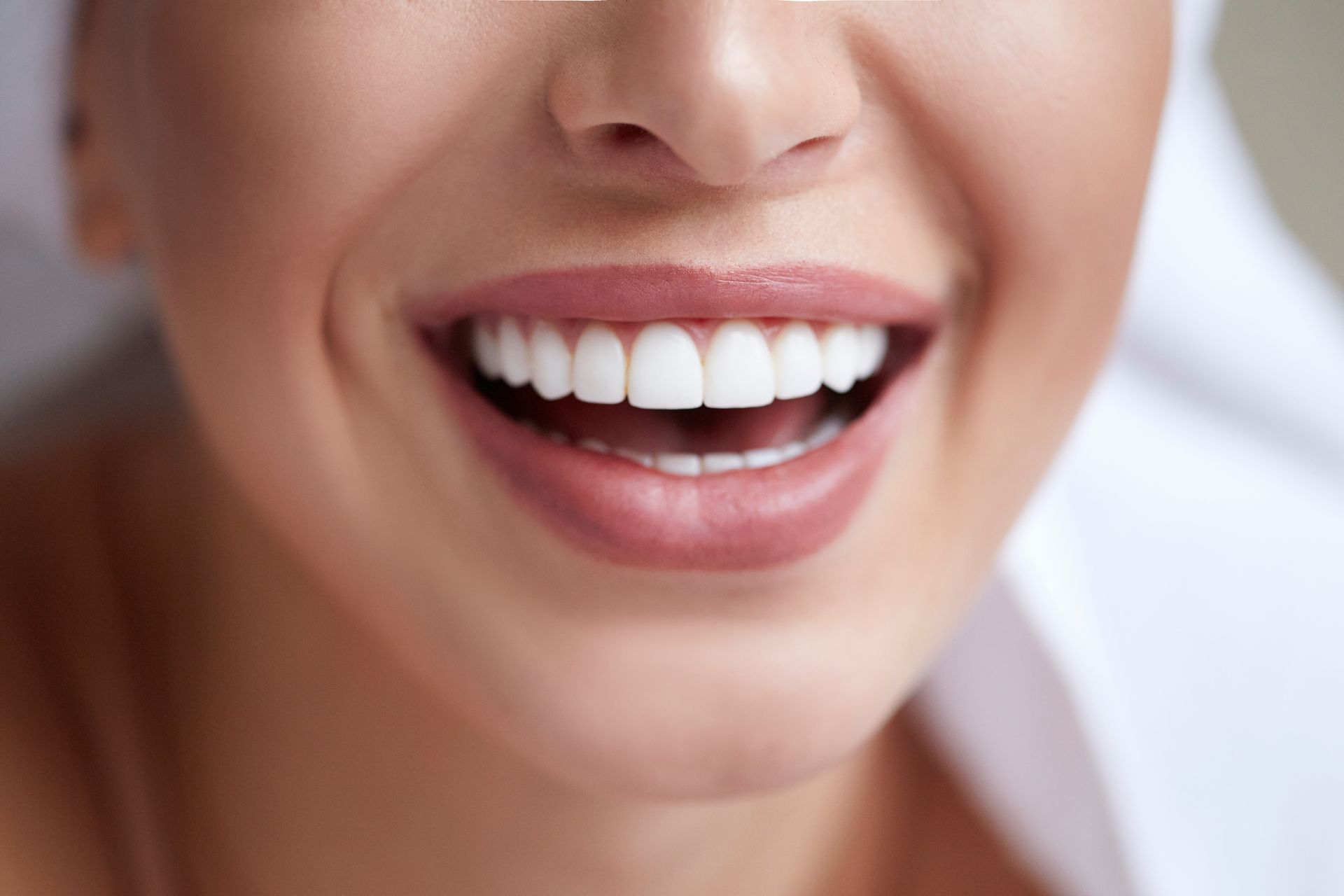
Your Teeth Are Crowded or Overlapping
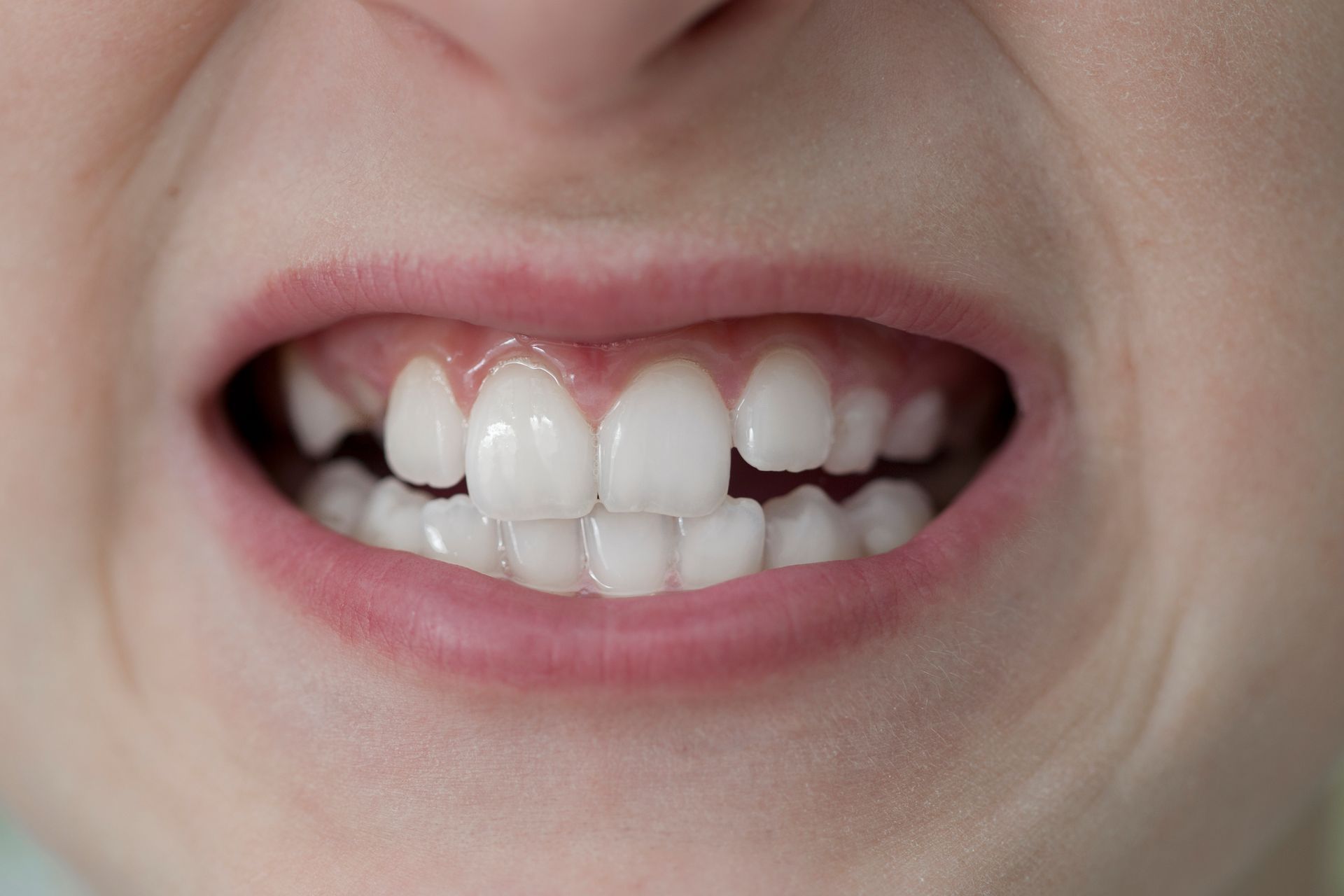
Crowded or overlapping teeth is one of the most common reasons to get braces or aligners. Crowded teeth happen when your jaw isn’t big enough to accommodate all of your teeth, and so they start stacking, rotating, and pushing each other out of the way.
Some people think that having crooked teeth is just an aesthetic issue, but it can have real impacts on your ability to clean your teeth properly. Crooked teeth can create tight spots that are difficult for your toothbrush or floss to reach, which leads to plaque build up, cavities, and other problems down the road.
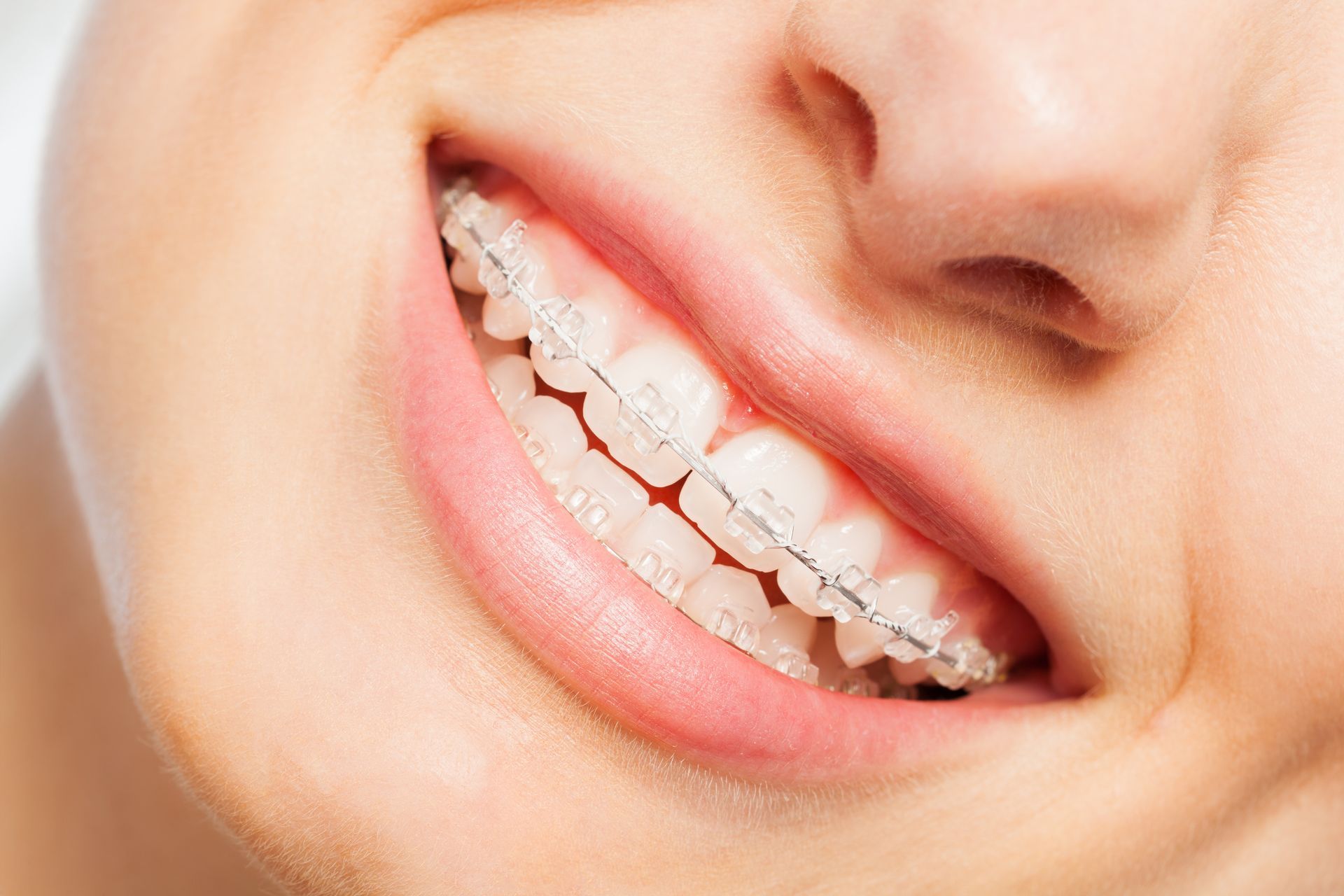
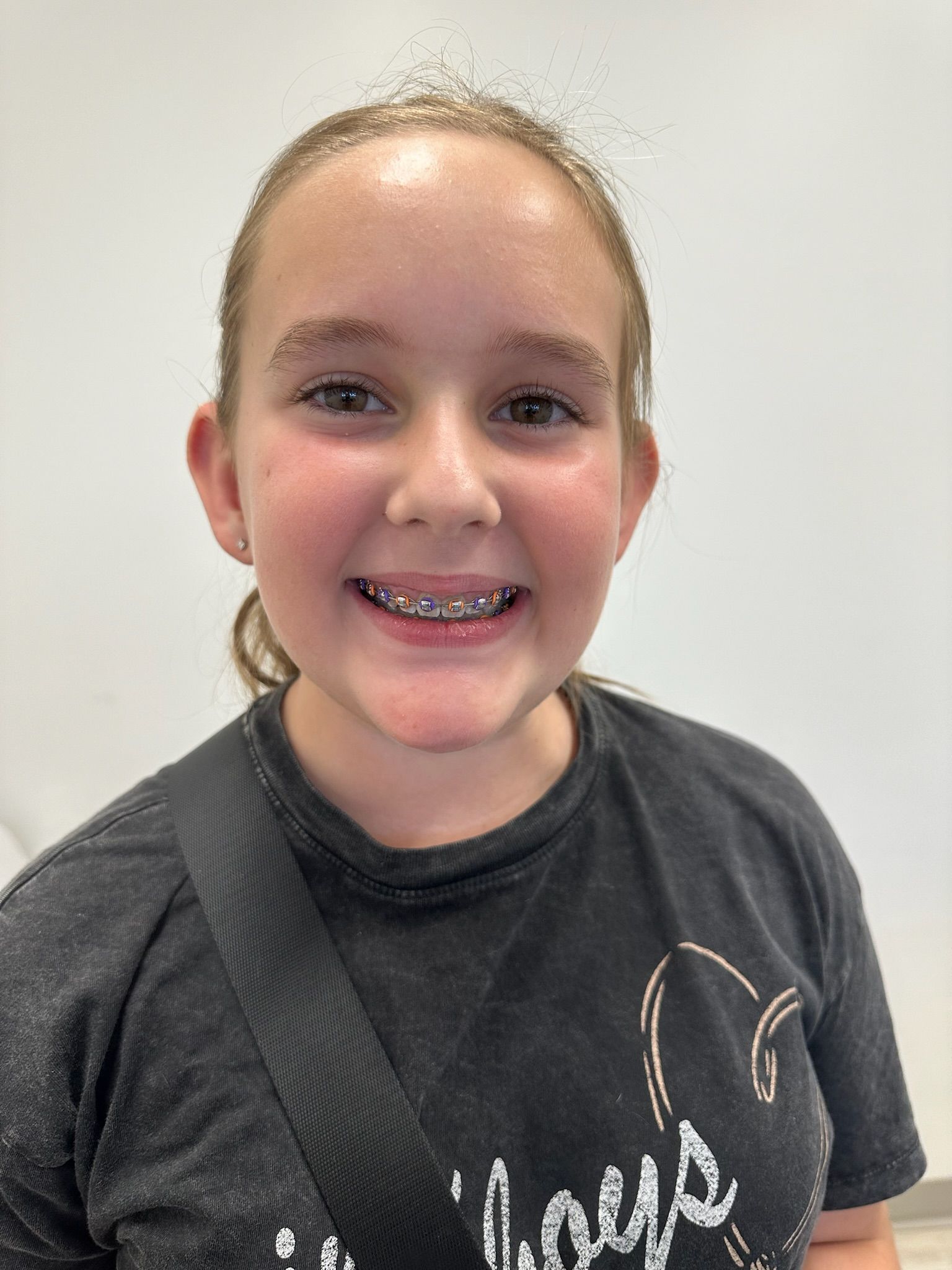
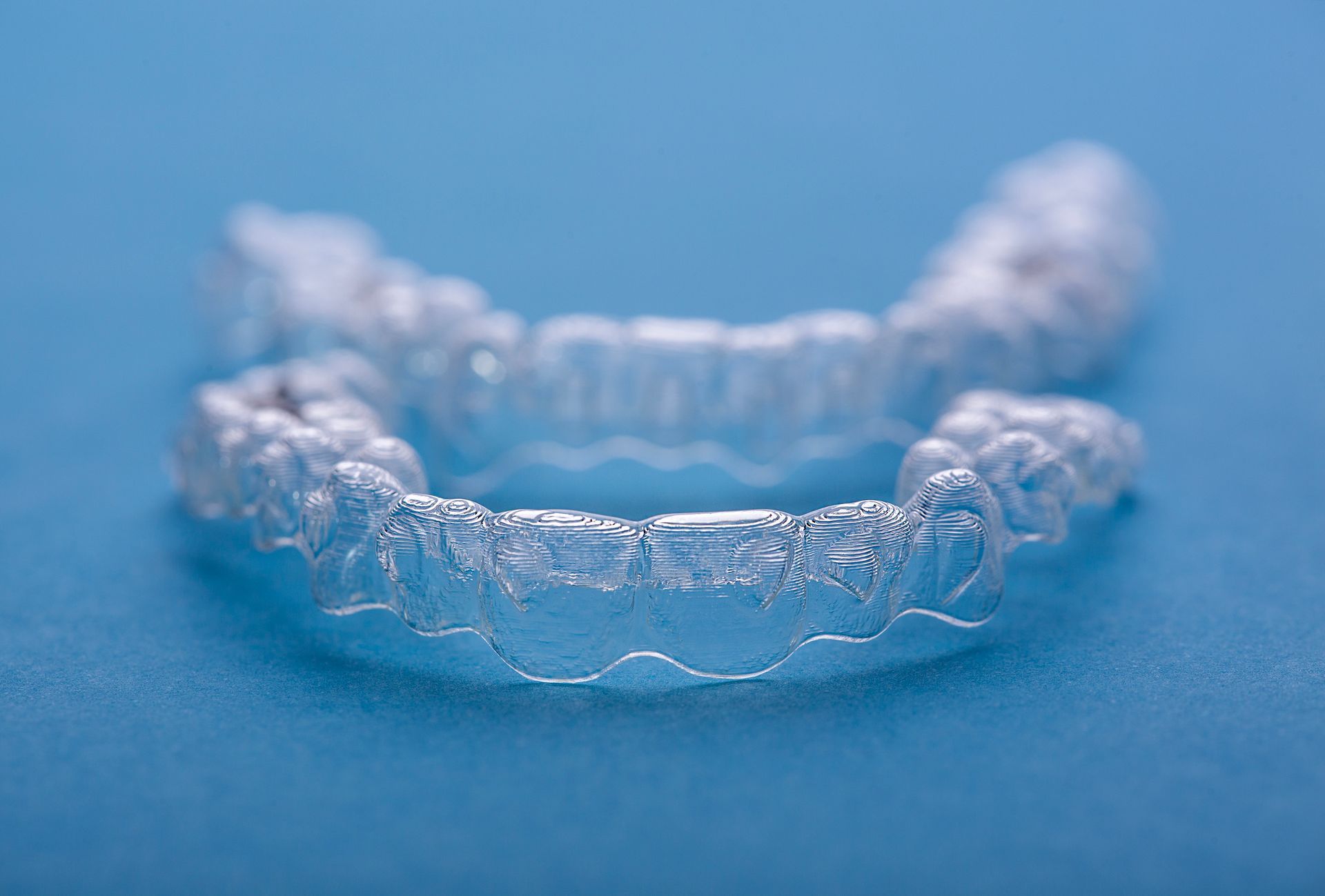
Braces on crooked teeth can be critical for not only making your smile look better, but also improving your overall oral health. So, if you’ve been wondering how to fix crooked teeth, it’s time to see an orthodontist and explore what braces or clear aligners can do for getting your smile to where it should be.
You Have Gaps Between Your Teeth
Another common reason why someone would need braces is the opposite of crowding, and that’s too much space. Similar to crooked teeth, people often see gap teeth, or spaces between teeth as purely cosmetic, when in actuality they can pose functional issues as well. These problems include things like food debris getting stuck in hard to reach places, uneven pressure being placed on neighboring teeth and in some cases gap teeth can even throw your bite out of alignment.
This is why braces for gap teeth can be so important. So whether you have a noticeable gap between your incisors or small spaces scattered throughout your mouth, it’s important to see an orthodontist who can do a comprehensive evaluation and determine the best path forward.
Your Bite Feels Off
A lot of people think, why would someone need braces if their teeth
look fine? Well, because a healthy smile isn’t just about straight teeth. You need the teeth, jaws, and bite all working together in harmony.
Jaw misalignment can cause a wide range of issues that you might not even realize are related to how your upper and lower jaw line up. From chronic headaches and jaw pain to uneven tooth wear to speech difficulties and cheek biting, and even sleep problems, jaw misalignment can be incredibly disruptive to a person’s life. Let’s jump into some of the most common misalignments.
Overbite vs Underbite
The two bite misalignments that show up most frequently are underbites and overbites, and a lot of people search for underbite vs overbite, wondering what makes them different.
What is an overbite?
An overbite is where the upper front teeth sit too far over your lower front teeth. A little bit of overlap is completely normal, but excessive overlap can be problematic. An overbite could be from the structure of the jaws where the upper jaw protrudes further forward than the lower jaw, or it could be from the position of the teeth themselves. When it comes to tooth positioning, habits like thumb sucking or tongue thrusting are a couple of the main culprits that lead to overbite development. If it’s left untreated, jaw pain can occur as well as uneven and excessive tooth wear, speech problems, and in severe cases, a noticeable change in facial profile where the chin appears to recede.
What is an underbite?
An underbite is the opposite, where the front upper teeth sit behind the front lower teeth. This too could be structural where the lower jaw has grown in such a way that it protrudes further forward than the upper jaw, but it could also be from the bottom teeth being angled in a way that has them resting on the outside of the upper front teeth. This can lead to difficulty chewing, uneven tooth wear, jaw pain, gum recession on the lower front teeth, and facial asymmetry. Braces for underbite can be an extremely effective solution for bringing the jaws back into alignment.
What is a crossbite?
A lesser known jaw misalignment is the crossbite. This is when some of your upper teeth end up falling inside of your lower teeth when you bite down. Crossbites most commonly involve the back teeth where one or more upper molars end up sitting inside the back lower teeth, often due to the upper jaw being too narrow. Crossbites can often result in excessive cheek biting which can be quite painful, as well as the appearance of a narrow smile.
A crossbite can also affect a person’s front teeth, but under these circumstances shouldn’t be confused with an underbite, as an underbite usually involves the entire lower jaw shifting forward while a crossbite involves just one or two teeth.
What is an open bite?
An open bite is when your upper and lower front teeth don’t actually make contact when your mouth is closed. This can create a whole host of issues. Discomfort while chewing, difficulty eating many types of foods, impacted speech, and added strain to the back molars (which can lead to cracking and the need for expensive dental work long-term such as crowns) are a few of the problems that an open bite creates. As you can imagine, open bite before and after results are often quite dramatic.
Importance of Early Evaluation with Jaw Misalignment
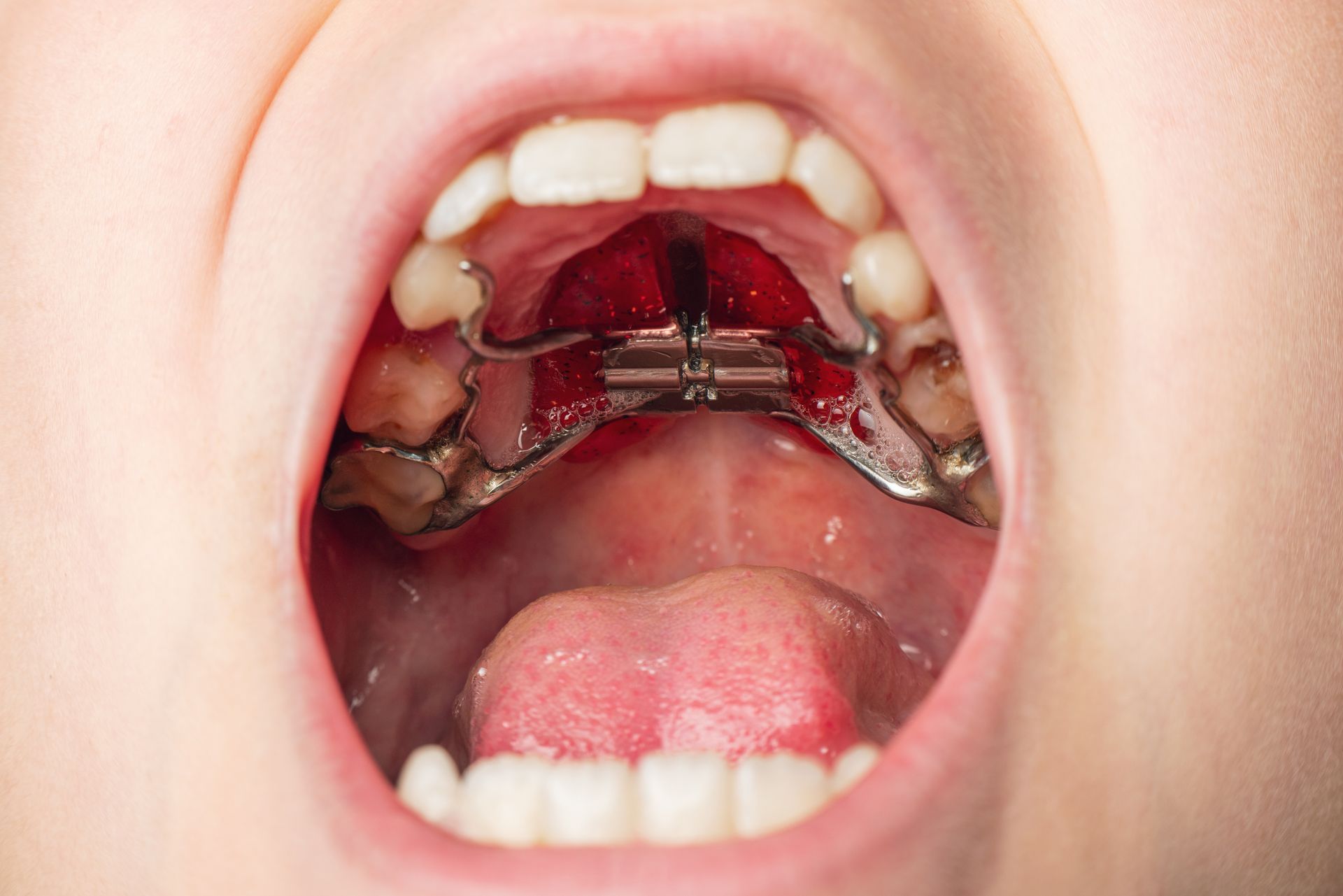
When it comes to jaw misalignment, it’s important to treat it as early as possible. If you’re a parent of a kid who’s over the age of 7 but hasn't been to an orthodontist yet, it’s time to set up a consultation. By catching an alignment issue early, an orthodontist has a lot more non-invasive avenues for correcting it. From palatal expanders to braces, they can guide growth in ways that aren’t possible in adulthood. What could have been fixed by a simple and non-invasive solution can quickly turn into a complex jaw surgery if not properly treated.
You Have Jaw Pain, Clicking, or Popping
If you have jaw pain or find that your jaw pops, clicks, or locks when you open and close your mouth then there’s a good chance your bite is out of alignment. Over time, tension builds in your jaw, as the muscles and ligaments surrounding your temporomandibular joint (TMJ) work hard to compensate for the misalignment.
It’s important to see an orthodontist sooner rather than later after experiencing these symptoms, because jaw tension relief can get more complicated the longer that it goes untreated.
Many people are surprised to find that jaw popping is one of the signs you need braces. But the reality is that your teeth, bite and jaws are all much more connected than people realize.
You’re Having Trouble Chewing or Biting
Another way that bite misalignment shows up is in pain or discomfort while chewing or biting, or difficulty chewing certain foods. This is because a misalignment of your bite can cause uneven force to be applied every time you bite down, and your jaw muscles end up carrying the stress of this imbalance. If you have a severe bite issue such as an open bite, then you may only be able to chew with your far back teeth, which can result in muscle fatigue and difficulty eating.
A lot of people won’t want to accept that this problem needs to be addressed and will change their behavior instead of fixing the underlying issue. They might start avoiding certain foods or take their meals at a slower pace to avoid their jaw from getting tired. But the reality is that pain and discomfort are your body’s way of telling you that something is off, and to ignore it is to accept a condition that will only get worse with time.
Chewing is something you do multiple times a day and when bite misalignment starts affecting such a critical daily function, it’s time to see an orthodontist.
Your Teeth Are Wearing Down Unevenly
One of the long term consequences of your bite being off is that your teeth can wear unevenly. While some teeth will be fine, other teeth will have enamel wear or tooth erosion that impacts the structural integrity of the teeth.
If you look in the mirror do you notice that some of your teeth look shorter or flatter than others? This could be a sign that your bite is misaligned, and that your teeth are in danger of taking on irreversible damage.
You’re Self-Conscious About Your Smile
While this isn’t as clinical as the signs that we’ve discussed up until this point, it deserves recognition, because the way you feel about your smile is important!
People smile every day and not just for photos. Smiling is a key part of how we communicate as humans. And if you feel like you can’t smile without being self conscious, or you don’t feel like your smile is an accurate reflection of you as a person, then it can absolutely make sense to explore orthodontic treatment options.
Will I get braces isn’t a question just reserved for people who have major bite misalignments or significant tooth alignment issues. Sometimes wanting to feel confident in your smile is reason enough for getting braces.
So, Do You Actually Need Braces?
If any of these signs you need braces rang true, then setting up an orthodontic consultation is your next step.
The reality is that how to tell if you need braces, clear aligners, or other orthodontic treatment isn’t something you can always figure out on your own. While there are certainly some problems that are obvious and visible, there are others that require imaging and a trained eye.
The good news? If you’re trying to figure out how to know if you need braces and you’re in Bakersfield, California then you’ll be able to get to the bottom of “do I need braces?” completely free of charge. Because at Cardall Orthodontics we offer complimentary initial consultations, where we give you a clear understanding of what‘s happening and determine the best path forward.
So, if you’ve been wondering how to tell if you need braces, then book your free consultation today and leave the appointment feeling more in control of your smile.