Are Water Flossers Effective?
Water flossers are effective at removing plaque and reducing gum bleeding.
In fact, a 2023 randomized controlled trial published in the
International Journal of Dental Hygiene determined that the use of water flossers could achieve a more significant reduction in plaque and gum bleeding than dental floss. It’s a peer-reviewed clinical result that shows just how effective water flossing can be.
Now, is water flossing effective for everyone? Generally, the answer is yes, and especially so for the following:
- Patients undergoing orthodontic treatment whose braces create hard to reach areas where food debris and plaque tend to build up.
- People with dental implants or bridges where traditional flossing can be ineffective at cleaning areas underneath or around the hardware.
- Anyone who has limited hand mobility and dexterity making it difficult to maneuver string floss for an effective clean.
- Those who struggle being consistent with their traditional flossing routine. Consistency with your daily oral hygiene routine is key.
So in short, does water flossing work and are water flossers good? Yes, when used consistently as a part of a complete daily routine.
Does a Water Flosser Replace Flossing?
One of the most common questions that people ask is does a Waterpik replace flossing?
The answer: A water flosser does not fully replace string floss for most people, but it can come close. The reason there’s nuance and it’s not a yes or no answer lies in the mechanical difference of how string floss and water flossers clean your teeth.
String floss scrapes off plaque that’s adhered to the surface of your teeth.
Water flossers flush out debris and bacteria using pressurized water.
That difference matters, because some plaque bonds to the surface of a tooth in a way that requires the physical scraping force of floss. Meanwhile, a water flosser is able to flush debris and bacteria from areas that string floss can’t easily reach like below the gumline, around dental work and in hard to reach spaces created by orthodontic brackets and wires.
Therefore, for most people, the ideal routine includes both. However, for some, like patients that are actively undergoing orthodontic treatment, where threading floss around wires and brackets is difficult, a water flosser can be an effective primary interdental cleaning tool to pair with your tooth brushing.
How to Use a Water Flosser
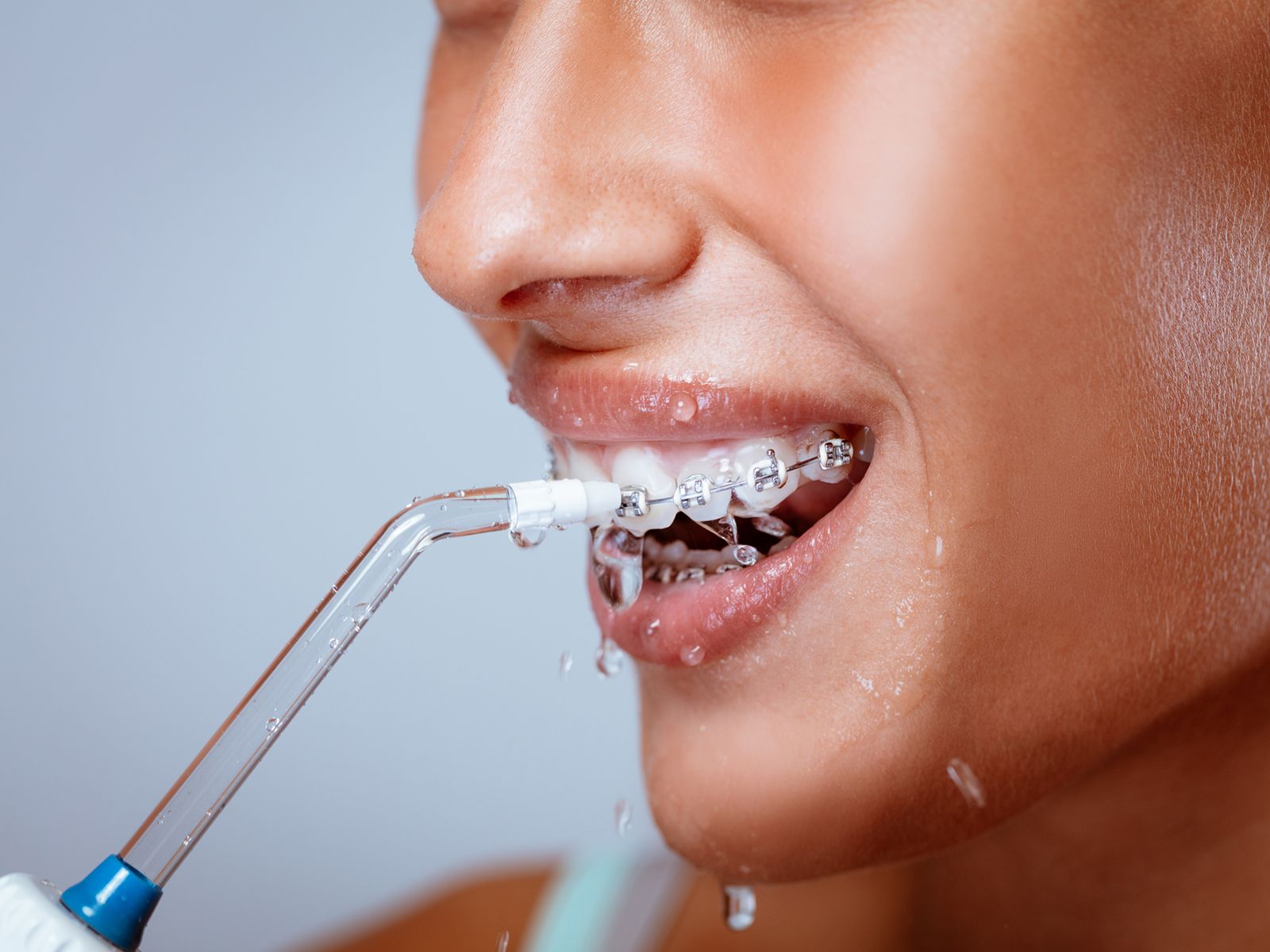
Using a water flosser is straightforward: you start by filling the reservoir with lukewarm water, then place the tip of the water flosser in your mouth and turn on the device. You then aim the pressurized stream at your gumline at a 90 degree angle, tracing slowly from tooth to tooth with slight pauses between each one. The routine takes about 1 to 2 minutes.
Here’s a simple step-by-step breakdown:
- Fill the reservoir with lukewarm water, as warm water is gentler and more comfortable if you have sensitive gums.
- Start on the lowest pressure setting. It can take a couple of weeks for your gums to adjust and high pressure for first-time users can cause discomfort.
- Place the tip in your mouth before turning it on: you’ll avoid a big mess.
- Lean over the sink and let water flow freely: once you’ve turned the water flosser on, keep your lips closed but relaxed, so water can flow out of your mouth and into the sink.
- Aim the stream of water at the gumline at a 90 degree angle.
- Trace slowly from tooth to tooth and pause briefly between each one.
- The full routine takes anywhere from 1 to 2 minutes: comparable to the time it takes to use dental floss.
Why Do My Gums Bleed When I Use a Water Flosser?
It’s common to notice some bleeding when you first start water flossing. Especially if you’ve been inconsistent with your flossing routine.
According to the Cleveland Clinic, the number one cause of bleeding gums is not flossing daily. This is because bacteria, tartar, and plaque build up along the gumline, leading to irritated and swollen gums that are more prone to bleeding.
Luckily, oftentimes the best way to reduce gum bleeding from water flossing, is to just continue using your water flosser daily. Most people will see bleeding taper off after about one to two weeks of consistent use, as plaque is removed and gum inflammation decreases. If bleeding persists beyond two weeks or is accompanied by pain, you should get it checked out professionally.
Bleeding gums is especially relevant for orthodontic patients, because braces create lots of places for plaque to accumulate, leading to gum inflammation. If you’re a patient at Cardall Orthodontics and you’re experiencing gum irritation, give us a call and we can figure out the best steps forward.
Water Flosser for Braces: Why it Can Help During Treatment
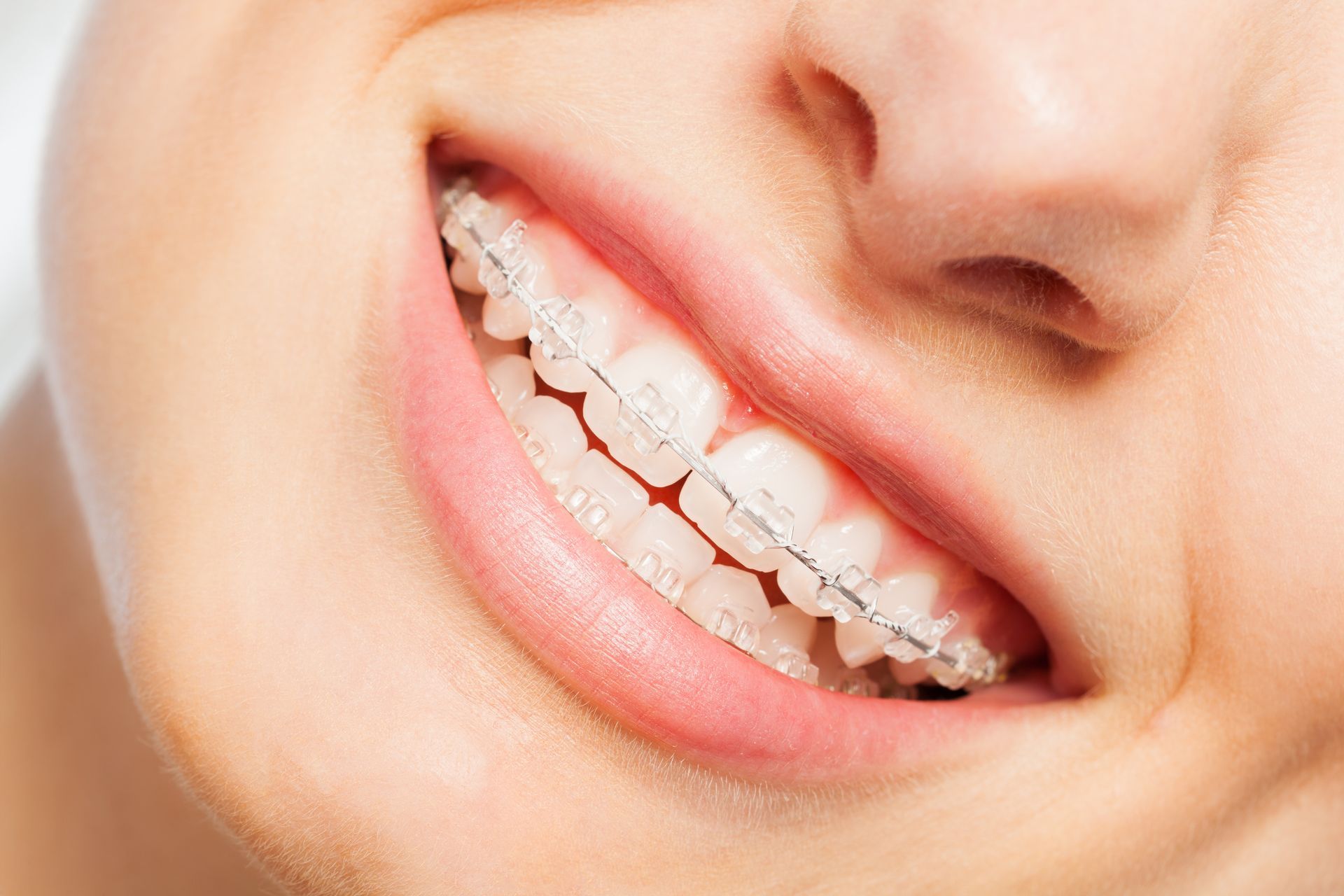
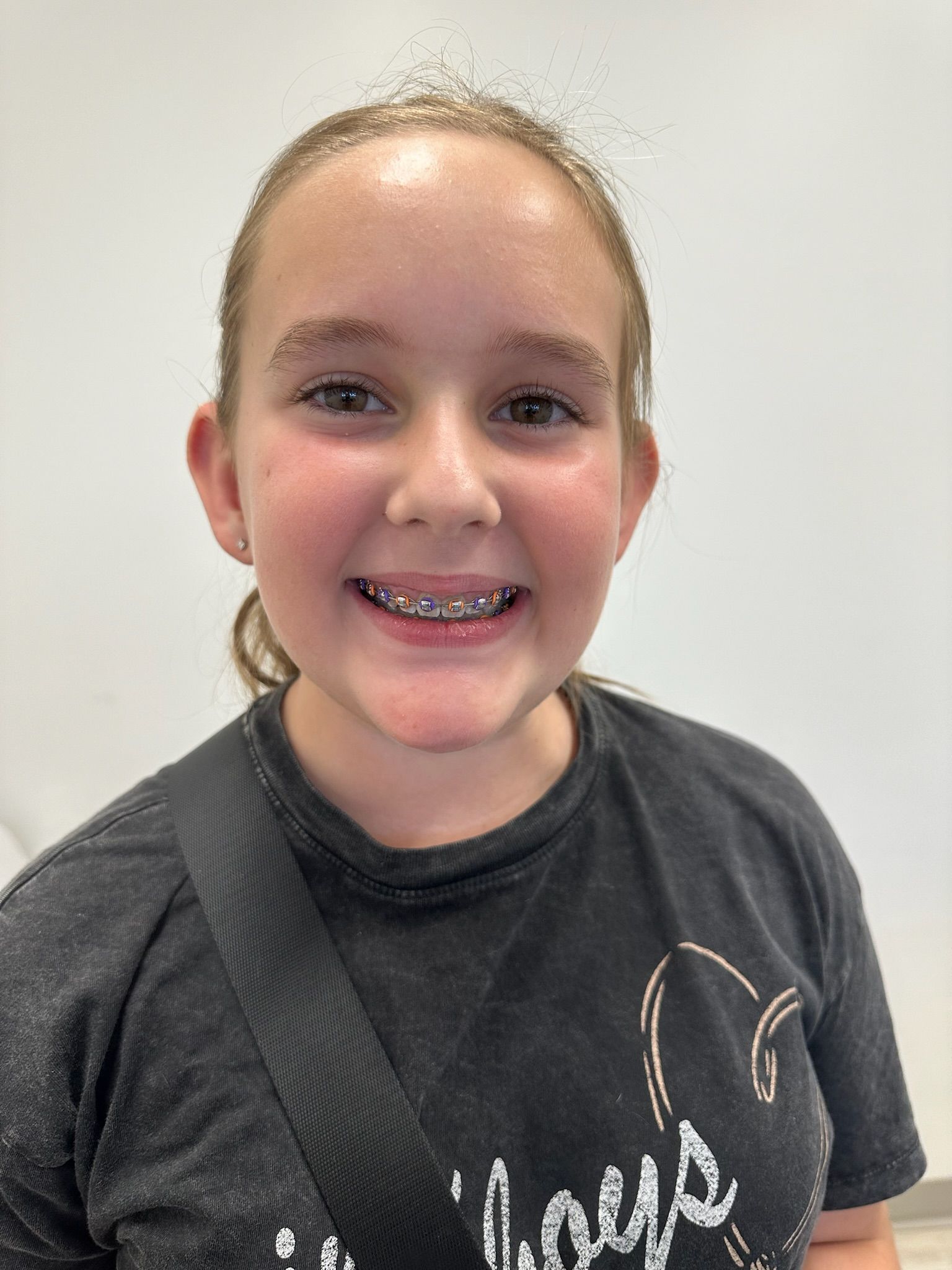
Using a water flosser for braces can be a great way to keep your teeth clean and healthy during orthodontic treatment. Because ultimately, when you have braces, food and plaque accumulate in places that your toothbrush can’t reach.
In fact, research cited in a 2024 study that was published in
BMC Oral Health
notes that approximately 20-40% of orthodontic patients with fixed appliances aren’t doing a sufficient job of plaque control when only using manual toothbrushes.
The study then found that water flossing for braces achieved a 21.87% reduction in plaque over their two week trial. This effectiveness of water flossing was comparable to other interdental aids like orthodontic flossers.
However, one of the big water flosser advantages that the study notes is that it’s easier to do, and therefore can lead to better daily compliance from patients during treatment.
So is water flossing better if you have braces? If you’re consistent, then the level of plaque reduction is similar for both orthodontic flossers and water flossers. However, if you find yourself slipping and not using orthodontic flossers as much as you should, then water flossers could be a great way to make sure you’re keeping up with your oral health during treatment.
How is Water Flossing Different When You Have Braces?
There are a couple of differences when it comes to water flossing with braces.
1. You should use the water flosser after every meal if possible, not just at night. This is because when food gets trapped around brackets, plaque can build up quickly, which can lead to gum inflammation and white spot lesions.
2. If your water flosser comes with an orthodontic tip, you should use it as it can make it easier to navigate around brackets and wires, allowing you to get to areas where plaque is most likely to build up.
How Does a Water Flosser Help with Gum Health?
The core water flosser benefits have to do with improving your gum health by disrupting and flushing out plaque that accumulates along the gumline. The reason it’s important to get rid of plaque is because when it goes unmanaged it can harden into tartar, triggering gum irritation and inflammation (clinically referred to as gingivitis). Gingivitis can then progress into a more serious form of gum disease called periodontitis, which is when the bones and tissues supporting your teeth take on damage.
The 2023 trial we referenced earlier that was published in the
International Journal of Dental Hygiene
found that water flossers achieved more than double the reduction in gum bleeding compared to string floss, supporting the case for using a water flosser for gum disease prevention.
That said, if you’re dealing with active gum disease symptoms like significant gum inflammation, bone loss, or deep pockets, a water flosser is not a substitute for getting professional care. While a water flosser is one of the best habits you can have for gum disease prevention, it shouldn’t be used as treatment for periodontal disease that’s already progressed. If you’re experiencing symptoms of gum disease, set up an appointment to see your dentist.
Water Flosser Before or After Brushing?
If you’re wondering whether you should use a water flosser before or after brushing, the answer is generally before. Water flossing will first break up plaque and flush out debris, then your toothbrush can come in and clear away what’s left. By water flossing first you are also prepping the surface of your teeth in a way that allows the fluoride from your toothpaste to be more effective.
For orthodontic patients, they should water floss after every meal, not just at the end of the day. Flushing out food debris around wires and brackets after you’re done eating can make a huge difference in reducing plaque build up.
Can You Use Mouthwash in a Water Flosser?
Plain water in your water flosser is all you need for effective daily use, but occasionally water flossing with mouthwash can be a good way to give your routine an antimicrobial boost.
Now it should be noted that you aren’t just putting straight mouthwash into the reservoir of the water flosser. You should use a diluted solution and check your flosser’s manual, as recommendations regarding mouthwash use can vary by model.
Here’s some general tips and guidelines to follow when water flossing with mouthwash:
- Always dilute. It’s generally recommended that you do a 1:1 ratio of mouthwash to water. This can help you avoid gum irritation and will protect the device.
- Rinse the reservoir with plain water after using it with a mouthwash solution.
- Avoid concentrated essential oils. Using water-insoluble formulas like tea tree oil can damage the internal components of the flosser.
- Always check your device’s manual first. Recommendations about mouthwash use in the device can vary by model.
- This doesn’t replace swishing mouthwash separately.
The two actions serve different purposes.
The Bottom Line
The water flossing benefits are clear, as water flossers can make a real difference in keeping your teeth clean, your gums healthy, and improving your overall oral health. They’re especially effective for those who are undergoing orthodontic treatment, lack consistency when it comes to traditional flossing, or are looking to improve their gum health.
For most people, water flossers won’t replace string floss, but research has made it clear that by using a water flosser daily, you can meaningfully reduce plaque and gum bleeding.
For patients actively receiving orthodontic treatment, water flossers can be an incredibly practical tool for navigating around braces and keeping your teeth and gums healthy during treatment.
If you’re in Bakersfield, CA and have questions about building the right routine during treatment, reach out to us at Cardall Orthodontics. With 900+ five star reviews and having been voted best orthodontist in Bakersfield every year since 2020, we’re well positioned to give you the care you deserve. Schedule a free consultation today!
Sources
- Mancinelli-Lyle D, Qaqish JG, Goyal CR, Schuller R. "Efficacy of water flossing on clinical parameters of inflammation and plaque: A four-week randomized controlled trial."
Journal of Dental Hygiene. 2023;97(5):166-186.
https://pubmed.ncbi.nlm.nih.gov/37816609/
- Alaa S, et al. "The effectiveness of water jet flossing and interdental flossing for oral hygiene in orthodontic patients."
BMC Oral Health. 2024.
https://www.ncbi.nlm.nih.gov/pmc/articles/PMC11055227/
- Cleveland Clinic. "Gums Bleed When Flossing? Why It Happens and What To Do."
https://health.clevelandclinic.org/is-it-bad-if-my-gums-bleed-when-i-floss