You stand in front of the fridge. Open up the pantry. And you’re left confused and uncertain.
Welcome to the world of braces. Whether you just got braces or you’re a parent of a child who just got braces, the most common question people have when they first get home from the orthodontist is: what can you eat with braces?
Luckily you’ve come to the right place. We’re going to clear up any confusion with a comprehensive breakdown of what foods you can eat with braces, so you’ll walk away with a clear understanding of how to keep your treatment heading in the right direction, while still enjoying your favorite foods.
A lot of people worry about what to eat with braces, but the reality is that the list of things you can’t eat is shorter than you might think. In fact, most of what you were eating before braces is probably still on the table. Typically, the only foods that have to take a backseat until you get your braces off are the ones that are hard, sticky, chewy, or that you’d have to use your front teeth to bite into.
The first week is when the menu really shrinks, but that’s more about your teeth being sore than protecting your braces.
So, what can you eat when you have braces? Let’s get into it!
What Can You Eat With Braces? (The Short Answer)
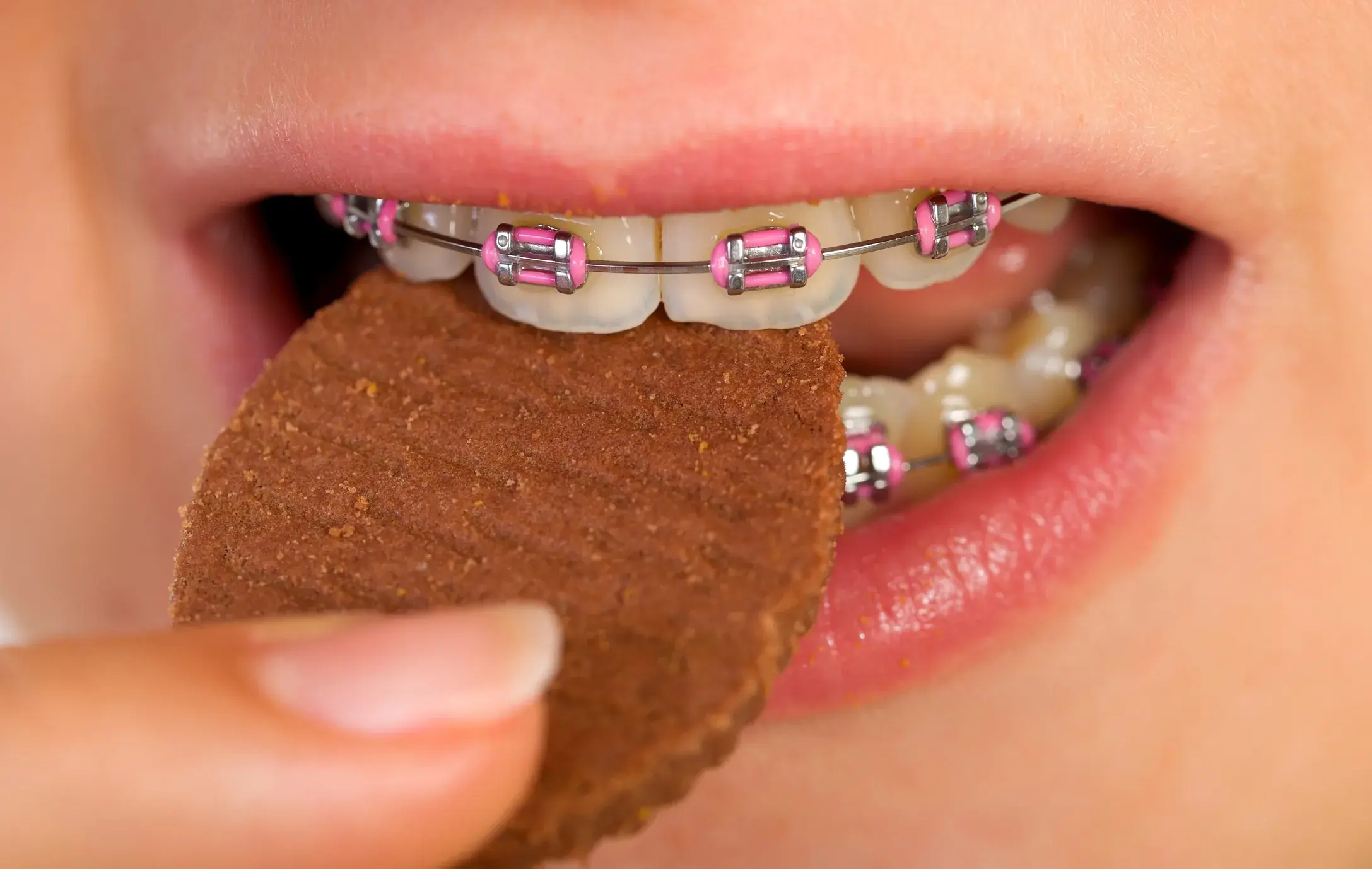
A quick rule when you’re wondering what you can eat with braces: you can eat almost everything you ate before braces, but should avoid foods that are hard, sticky, or chewy. Everything else is pretty much fair game, as long as you are cutting things into bite-sized pieces and not biting into anything with your front teeth.
So you still have plenty of good food for braces: pasta, rice, most meat, most fruits and vegetables, all the dairy, soft bread, and, of course, pizza.
If you found this article by searching what can I eat with braces or what should I eat with braces, that’s the short answer, but at this point you’re still probably a bit confused. The reality is that the rule is a good guideline, but not a hard-and-fast law, which is why we’ll break down any nuance in the following sections.
It’s also important to note that there are some foods you can eat with braces but that need a little bit more care and attention on the cleaning front. For example, it’s important to be especially diligent after eating sugary foods or foods that can easily get stuck in your brackets. Plaque, which is the film of bacteria that’s always forming on your teeth, feeds on the sugar in whatever gets left behind and produces acid. This acid then pulls minerals out of your enamel, and this process can lead to white spots on your teeth. To learn more about this, check out our article on white spot lesions.
Why Can’t You Eat Some Foods With Braces?
The reason you have to be careful with what to eat when you have braces is because your braces are strong, but they aren’t invincible.
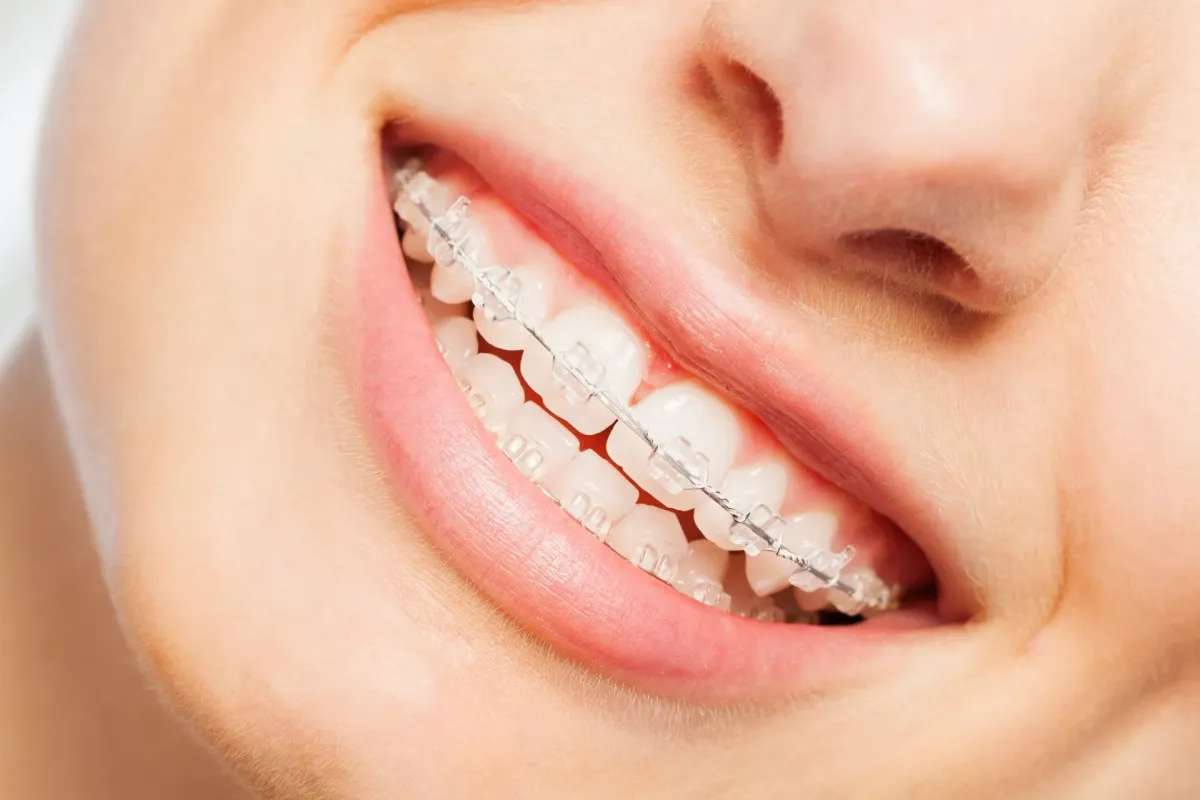
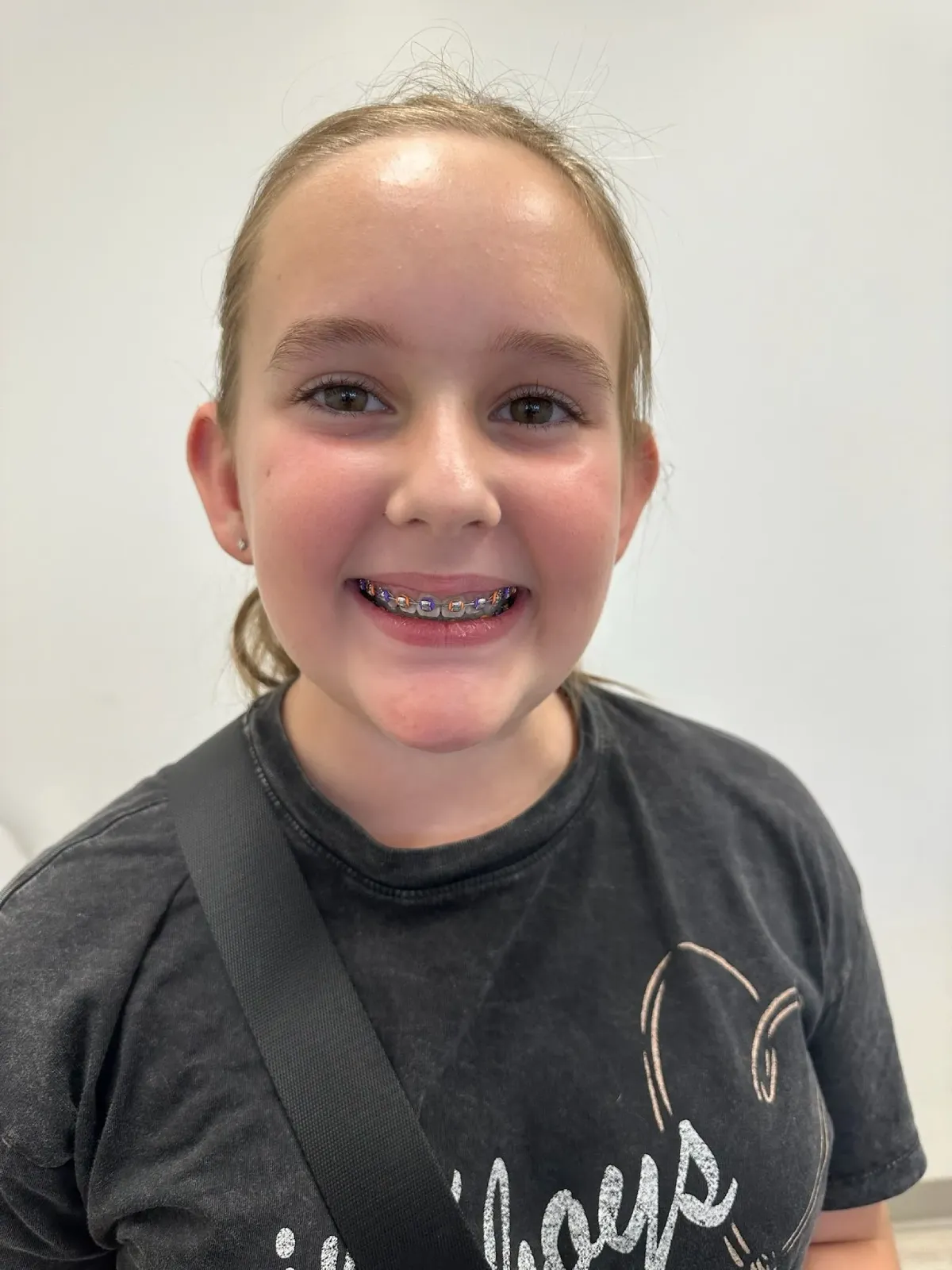
Brackets, which are essentially small handles, are bonded to the front of each of your teeth with a special dental resin. A thin wire then runs through each of them, and this bracket-wire relationship allows precise and controlled tension to be applied to your teeth. Slowly but surely, this continuous applied pressure moves your teeth.
When a bracket fails, it’s usually not that the bracket or wire breaks, but that the resin fails to keep the bracket secured to the tooth. Dental resin is engineered to hold up to thousands of chews a day, but can’t be too strong, because your orthodontist needs to be able to remove your braces at the end of treatment. It’s a balance.
What does this mean? It means normal chewing forces are fine, but sharp, concentrated forces are bad. A popcorn kernel, an ice cube, a hard pretzel, or biting into an apple with your front teeth can all generate enough concentrated force to break the resin’s bond, popping your bracket free.
Sticky foods, on the other hand, lead to bracket failure in a different way. Caramel and taffy may not knock a bracket off, but they can stick and pull at the brackets, which can loosen the bond. Chewy foods like jerky, tough steak, and bagels can do the same thing.
While a broken bracket isn’t dangerous, it can impact your treatment timeline. Once that bracket pops off, your tooth stops moving until it’s repaired. And if your wire gets bent, then it can start applying forces to your teeth that move them in ways that aren’t planned.
Brackets popping off isn’t a rare occurrence. A 2018 study published in Progress in Orthodontics found that about 1 in 5 patients have at least one bracket come loose during treatment.
However, the same study did note that patients who followed their appliance-care instructions had fewer bracket failures, which is why the braces and food conversation, and getting aligned with what the best foods for braces are, is important for keeping your treatment on track.
Braces Food List: What Foods Can You Eat With Braces?
Here’s a full braces food list by category: which things you can eat with braces without a second thought, which may need a tweak, and which you should skip. If you’ve been looking for a list of foods you can eat with braces, then this is it!
Fruits and Vegetables
Soft fruits like bananas, berries, melon, and peeled oranges are always okay to eat. Apples, carrots, celery, and anything else crunchy need to be cut into bite-sized pieces and chewed with your back teeth. Never bite into hard fruits and vegetables with your front teeth. Same with corn; it needs to come off the cob. Cooked vegetables are some of the easiest food for braces there is, and if you’re after good food for braces that’s also good for you, then it doesn’t get better than cooked vegetables.
Meat, Chicken and Protein
As long as meat is off the bone and cut small, it’s food you can eat with braces. Shredded chicken, ground beef, fish, eggs, tofu, and beans are the easiest proteins you’ll find. Steak should be cut into small pieces. Wings and ribs need to come off the bone. Then for jerky and tough, chewy cuts of meat, you need to wait until the braces come off.
Bread, Pasta, Rice and Cereal
These are great first-week staples. Soft bread, tortillas, pasta, rice, oatmeal, and pancakes are some of the best foods to eat with braces. The exceptions in this category are hard crusts, bagels, and crusty rolls that you have to tear into with your front teeth. For cereal, let it sit in the milk and soften for a minute before you start eating.
Dairy
Yogurt, cheese, milk, cottage cheese, pudding, and ice cream are about as good as braces-friendly food gets. If you ask us, the best food for braces on a day when things are feeling sore lives in this category.
Snacks
If you’re looking for stuff to eat with braces between meals, soft chips, string cheese, fruit cups, yogurt, hummus, and soft granola bars are all great snack foods to eat with braces. A few snacks that we’ve seen cause the most trouble are hard chips, popcorn, pretzels, and nuts.
Sweets and Desserts
Chocolate, ice cream, cake, brownies, and soft cookies are all fine. Problematic sweets include caramel, taffy, gummies, and hard candy. However, it’s worth noting that sugar from sweets that sits around brackets can lead to white spots on teeth. So make sure you swish with water or, better yet, brush your teeth after dessert.
Pizza and Fast Food
Pizza is okay, but cut it into bites and skip the crust. Burgers get cut into pieces as well. Fries, nuggets, and soft tacos are fine, but stay away from hard-shell tacos.
Drinks
Water, milk, and most drinks are fine. Soda and sports drinks are the ones to limit, because they combine sugar and acid, which isn’t a great combination for your enamel. If you drink through a straw, that can help limit the amount of sugar that gets on your teeth. For clear ceramic braces, be aware of drinking coffee, tea, and dark sodas that can stain the clear ties that hold your bracket and archwire together.
What Foods Should You Avoid With Braces?
The list is shorter than you might think and can be sorted into four main groups:
Food that’s hard enough to break a bracket free
Ice, nuts, hard candy, hard pretzels, hard chips, hard taco shells. These are the foods that can deliver sharp, concentrated forces to your braces. There aren’t any workarounds, so you should avoid these during treatment.
Food that’s sticky or chewy enough to pull a bracket loose
Caramel, taffy, gummies, fruit snacks, gum, licorice, jerky, bagels, crusty bread. These are all no-gos until you get your braces removed.
Food that you’d have to bite into with your front teeth
Whole apples, raw carrots, corn on the cob, a whole burger, a sub. These aren’t banned, as long as you change the way you eat them. They should all be cut up and chewed with your back teeth.
Food that hides something hard
Popcorn (the unpopped or semi-popped kernels), fruit with pits, bone-in meat, granola with hard clusters. If you’re not careful, these foods can catch you by surprise.
We’ll go over this list with you at your bonding appointment.
What Should You Eat the First Week With Braces?
For the first few days you should stick to soft and cold foods, then work your way back to normal foods once the soreness fades.
The first week is when your teeth are most sore. Your mouth is adjusting to the new pressures of braces, and the soreness comes from an inflammatory response in the ligament that holds each tooth in place. Soreness is a normal part of treatment and is actually a sign that things are working. A 2023 systematic review published in The Angle Orthodontist reports that soreness typically peaks about a day or two after bonding and gradually gets better over the following week. This means that, food-wise, you’re likely only looking at a few days of soft foods.
After each adjustment you may also experience soreness, but it’s usually milder than when your braces were first placed.
So, what should you eat with braces during that first stretch?
- Smoothies
- Yogurt
- Mashed potatoes
- Mac and cheese
- Scrambled eggs
- Soup
- Oatmeal
- Ice cream
All of them are easy things to eat with braces in the first few days and can be great staples throughout treatment.
Cold also helps, which means you can have a great excuse for some ice cream. In fact, the American Association of Orthodontics (AAO) explicitly says that the cold from ice cream can help relieve some of the pressure from wires. They also say that if you can chew normally, then go ahead, because it can actually help your teeth settle down sooner.
If your main question that you were hoping to get answered in this section was how long after braces can I eat, the answer is right away. Just start soft.
How Do You Eat With Braces? (Cut, Don’t Bite)
Eating with braces is pretty simple: cut your food into bites, chew with your back teeth, and slow down.
Here’s the reason. Your front teeth are designed to cut and shear food (that’s why they’re thinner than the molars in the back of your mouth). But when you have braces, they’re not able to cleanly slice through firmer foods. Instead, the food you’re biting into hits the brackets, delivering concentrated force to them. And under some circumstances it can be enough to pop a bracket loose.
Your back molars, on the other hand, are flat and designed for grinding. The force of chewing goes down into the teeth rather than into the brackets (hard foods are still a problem no matter how you chew them).
When you cut up your food into bite-sized pieces, your front teeth stay out of the action and your back molars take care of the chewing, keeping your brackets out of harm's way.
A few other habits that make eating with braces easier:
- Swish with water after you eat to dislodge any food debris. It can make a big difference in keeping your mouth clean.
- Carry a travel toothbrush for the first few weeks, as you learn what types of foods cling to your braces.
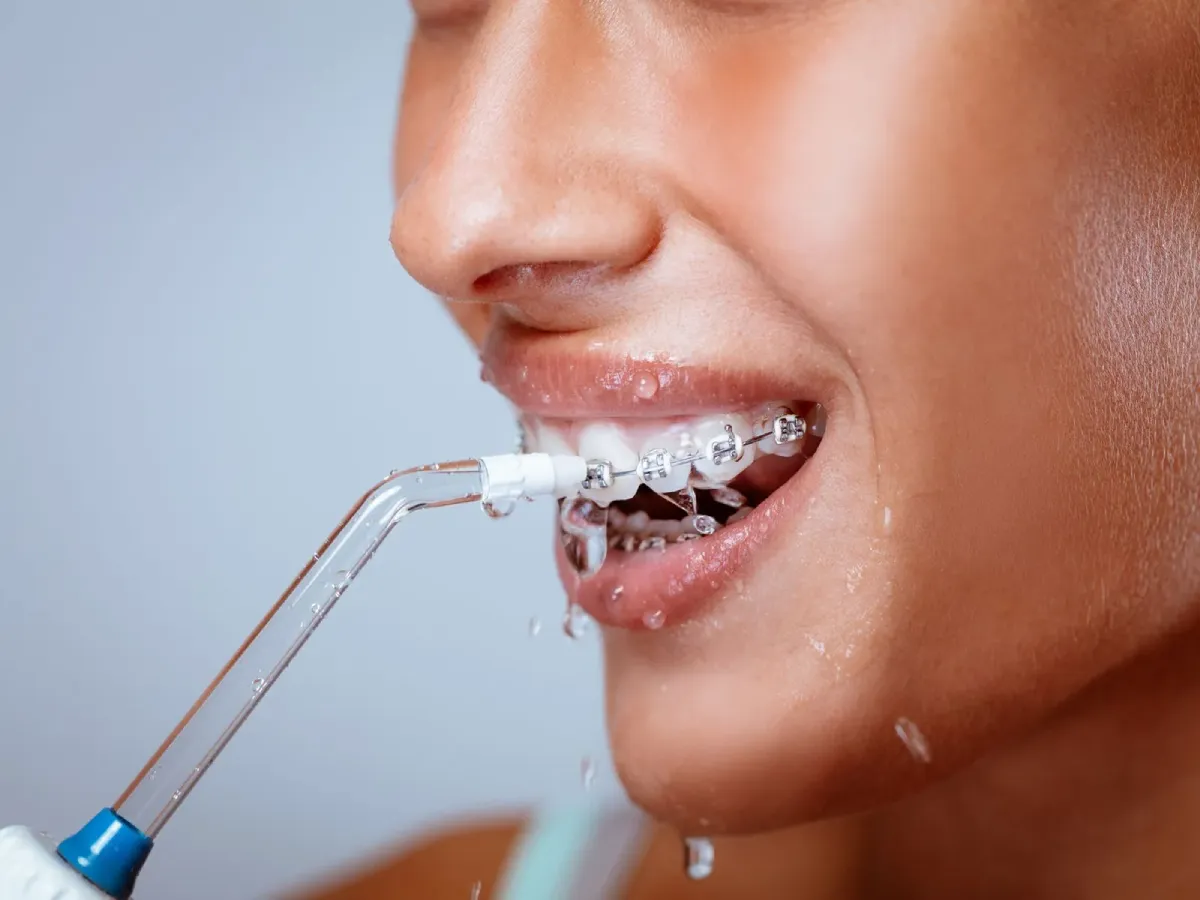
- Use a water flosser at home to make cleaning between your teeth and around brackets easier. Here’s our honest take on how well water flossers work.
- Wax is fine to eat with if your bracket is rubbing. You can leave the wax on through the meal and put on a fresh piece after.
- Take your rubber bands out to eat unless your orthodontist has given you specific instructions not to.
Can You Eat Junk Food With Braces?
We all have times when we crave certain foods. And even with braces you can still satisfy those cravings. It just might mean going with a more braces-friendly junk food alternative.
Let’s break down some good swaps:
Frequently Asked Questions About Eating With Braces
Is there a braces food list I can print?
The short version of the braces dos and don’ts can be run through quickly. Anything soft, cooked, cut up, or chewed with your back teeth is good. Meanwhile, hard candy, sticky candy, popcorn, whole nuts, ice, hard crusts, and crunchy fruits and vegetables eaten whole are bad. Just remember to avoid foods that are hard, sticky, or chewy. And to cut up your food into bite-sized pieces, while never biting into anything with your front teeth.
Can you drink smoothies with braces?
Yes, and honestly smoothies for braces are one of the best first-week options. But smoothies can also be sugary, and debris can get stuck in your braces and teeth, so make sure you do a good job of rinsing afterwards.
Is soup good for braces?
Soup is great for braces, because it's warm, soft, filling, and doesn’t require much, if any, chewing. If you have sore teeth, it offers a perfect meal. Just make sure to skip the crunchy croutons or tortilla strips on top!
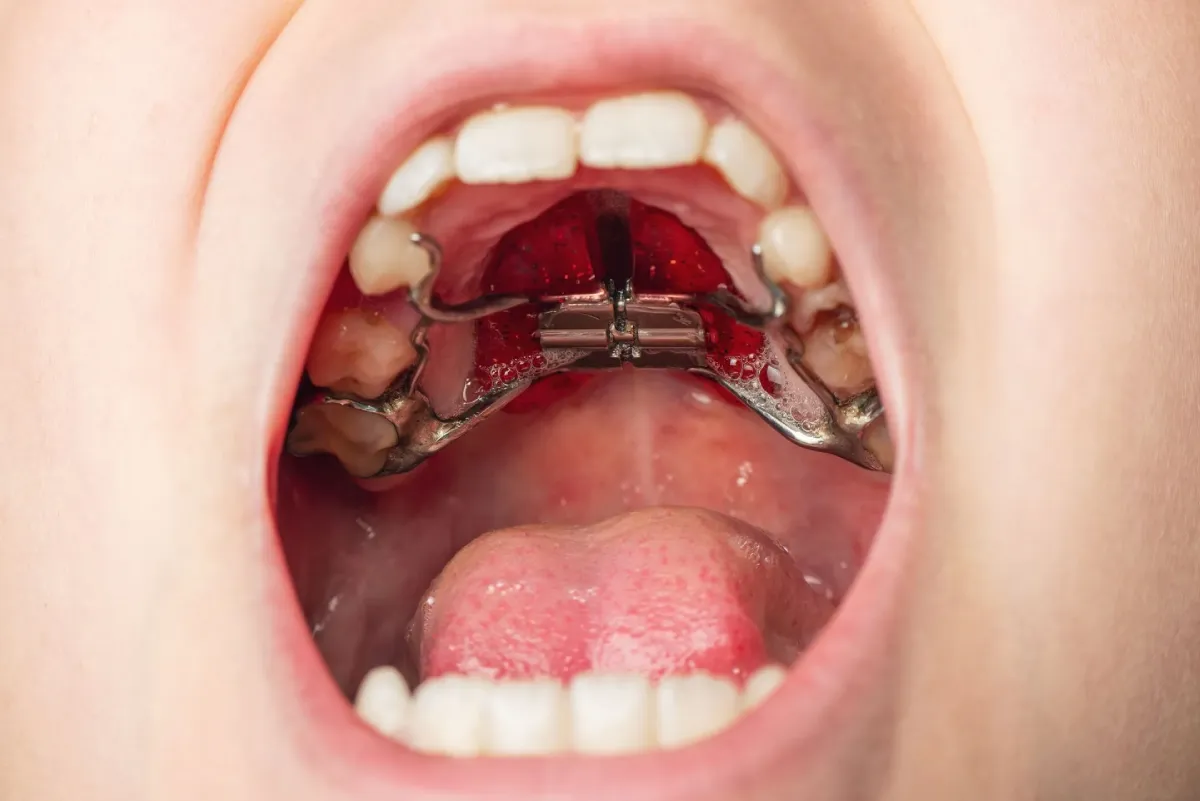
What can you eat with a palate expander?
The same rules that apply to braces apply to palate expanders, with one difference. Food can get caught easily under an expander, so rinsing after meals becomes even more important. If you want to learn more, check out our blog on how a palatal expander works.
What can you eat after braces come off?
Once braces come off, you can go back to normal eating habits. Popcorn, caramel, corn on the cob: nothing is off the table. So, if you’re searching for foods to eat after braces because they just came off, you’re in luck. There aren’t any restrictions. The only new rule is that if you have a removable retainer, you need to make sure to take it out before you eat. Here’s how long you’ll be wearing one.
What about Thanksgiving with braces?
Most everything is fine. Turkey should have all bones removed and be cut into small bites. And mashed potatoes, stuffing, soft rolls, green beans, and pie are all good to go. But skip the nuts, caramel, and corn on the cob. And if the crust of the apple pie is a crispy one, cut it into bite-sized pieces.
Are there foods that help with orthodontic treatment?
No specific foods will speed up your orthodontic treatment. However, a balanced and healthy diet keeps your teeth and gums healthy as they move. If you do see any foods or supplements advertising faster results, you’re being sold something.
What Can You Eat With Braces? The Bottom Line
If you came here because you were wondering what can you eat with braces, the answer is most everything, with the exception of a short list of hard, chewy, and sticky foods. And after reading this article you now know that there are even a few foods that you can take out of the “no” column and move into the “yes” column by simply cutting them into bite-sized pieces.
At Cardall Orthodontics, we go over the list of things you can eat with braces before you go home, so you aren’t left looking in the fridge wondering what’s okay to eat. If you’re reading this article and still have questions about what you can eat with braces, give us a call. Also, if you have a bracket that came loose or a wire that got bent, reach out to us as soon as possible, so we can make sure your treatment stays on track.
If you or your kid haven’t started treatment yet and are still deciding whether braces are in the picture, our post on the signs you might need braces is a great place to start. When you’re ready, schedule a free consultation with us at Cardall Orthodontics in Bakersfield, CA. With 900+ five star reviews and having been voted best orthodontist in Bakersfield every year since 2020, we’re well positioned to help you figure out the best path forward!
Sources
- Barbosa IV, Ladewig VM, Almeida-Pedrin RR, Cardoso MA, Santiago Junior JF, Conti ACCF. The association between patient’s compliance and age with the bonding failure of orthodontic brackets: a cross-sectional study. Progress in Orthodontics. 2018;19(1):11. https://doi.org/10.1186/s40510-018-0209-1
- Mando M, Talaat S, Bourauel C. The efficacy of chewing gum in the reduction of orthodontic pain at its peak intensity: a systematic review and meta-analysis. The Angle Orthodontist. 2023;93(5):580-590. https://doi.org/10.2319/110622-760.1
- American Association of Orthodontists. What Can I Eat With Braces? https://aaoinfo.org/blog/what-can-i-eat-with-braces