Some bite misalignments or malocclusions are more obvious than others.
An overbite, while it can range in severity, can often be more subtle and harder to perceive, to the point where some people may not even realize they have one. This is because most everyone has a slight overlap between their upper and lower teeth. In fact, for a normal, healthy bite your upper front teeth should sit slightly over your lower front teeth.
So, then if that’s the case, how do you know if your bite is normal or if it has the potential to do damage over time?
According to the Cleveland Clinic, a typical overlap is when your front top teeth cover your bottom teeth by 2 to 4 millimeters. Anything over that and you’re crossing into overbite territory.
Now, before you rush to the mirror to squint and try to make out if your overlap falls within that range, keep reading because we’ll cover everything from what an overbite actually is to how you can tell if yours is normal to what it takes to fix one.
So, let’s get into it!
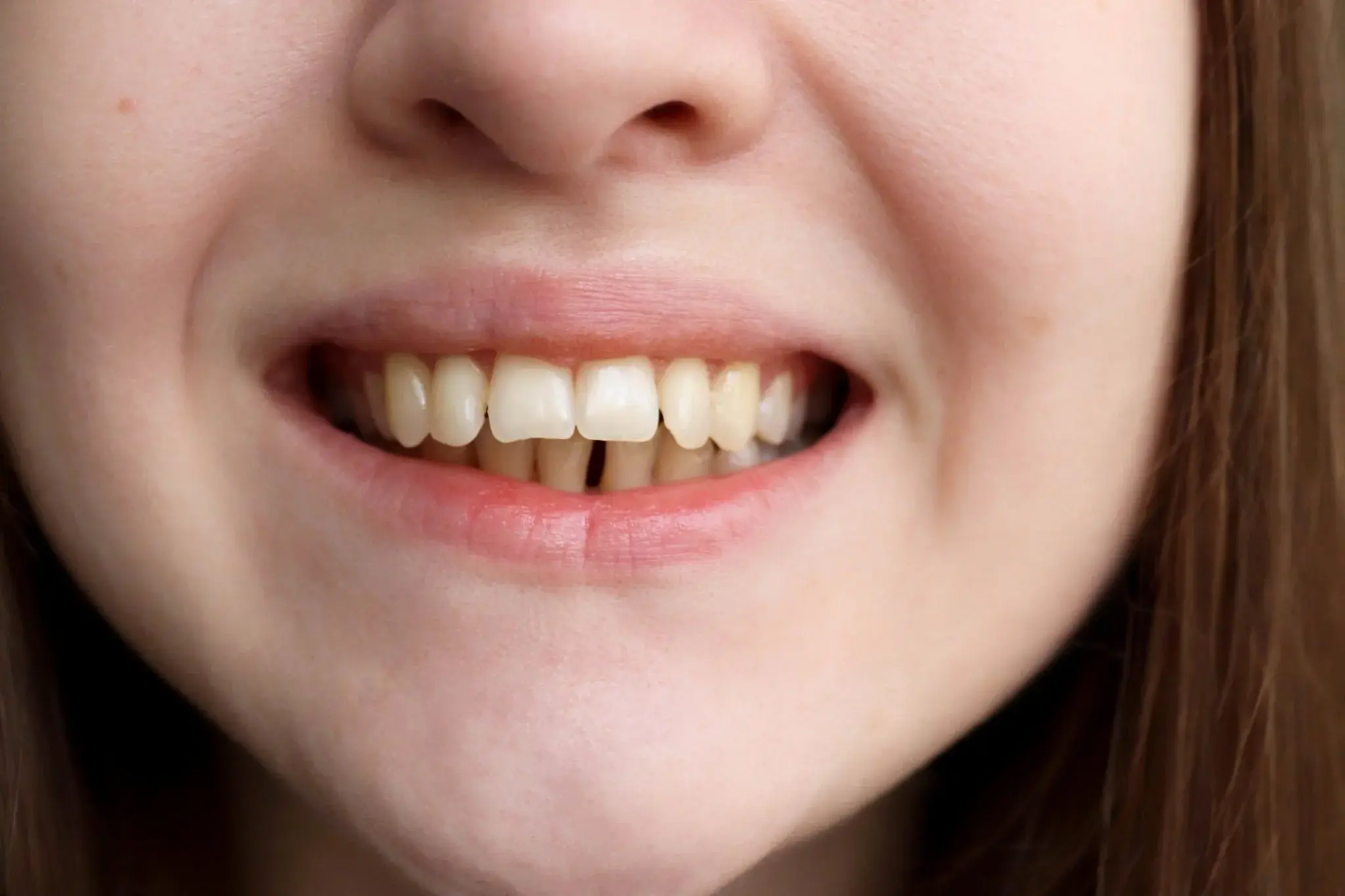
What is an Overbite?
An overbite is when the vertical overlap of your upper front teeth over your lower front teeth is more than it should be when you bite down.
Some overlap is completely normal, and is actually important for your mouth and bite to function properly. We’ll get into that more in a minute.
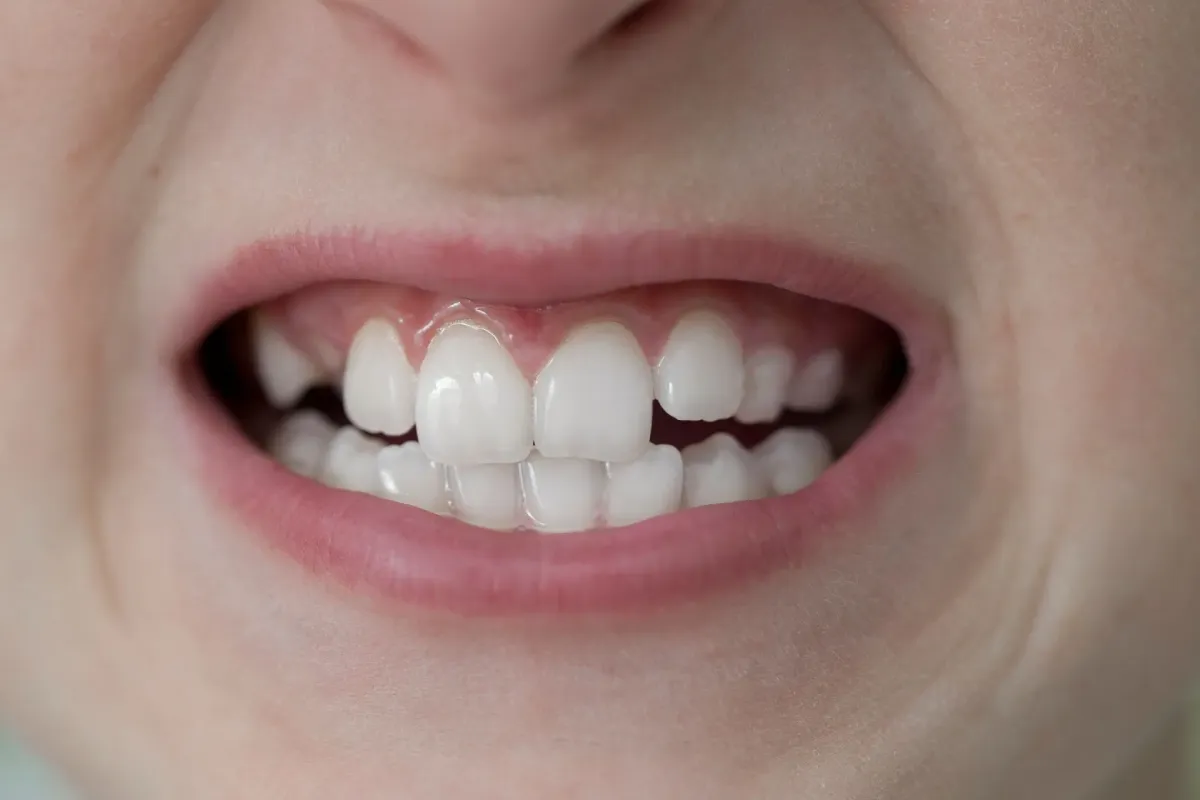
Too much overlap, though, and certain problems can start cropping up. In a significant overbite, the bottom front teeth can disappear behind the upper teeth almost entirely, with their edges even making contact with gum tissue instead of tooth. At that point you may hear it called a deep bite or a deep overbite, but don’t be confused. It’s all referring to the same thing.
Is an Overbite Normal?
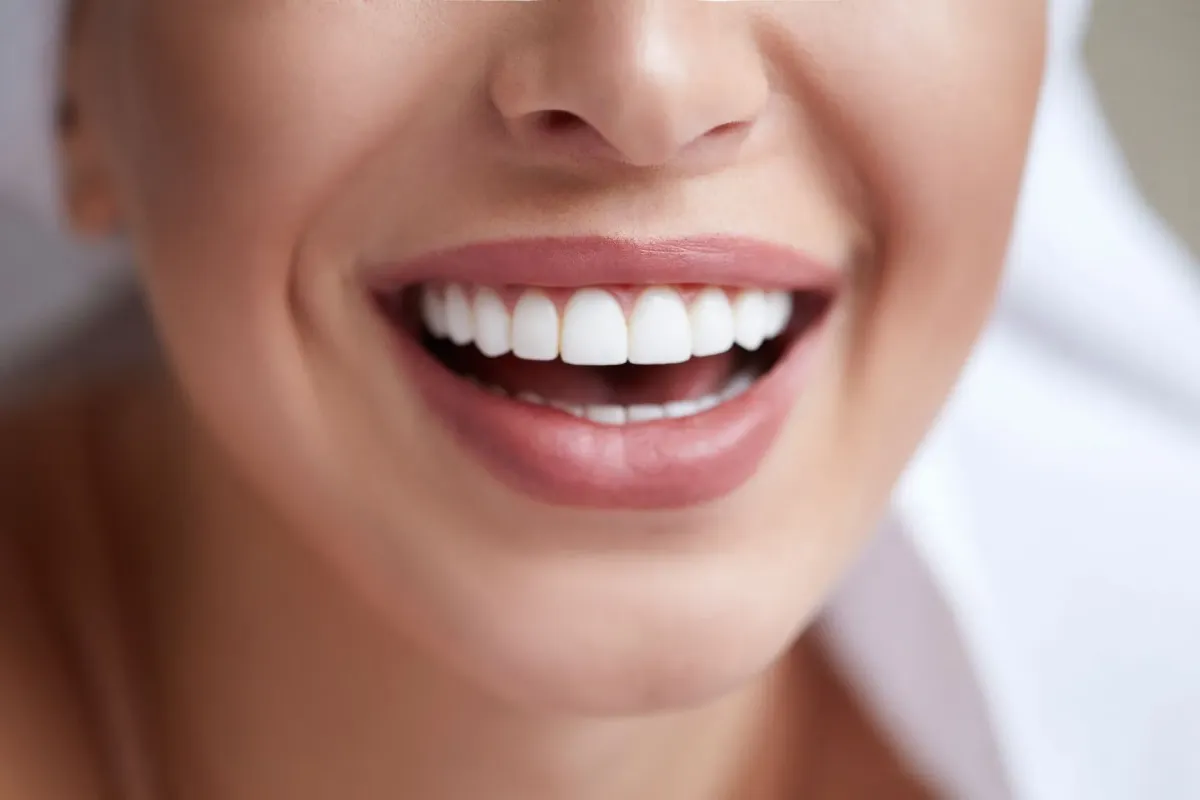
A slight overlap is certainly normal, and is actually a sign of a healthy bite. But how significant of an overlap determines whether your bite is healthy or potentially problematic.
If you found this page searching something like “is an overbite normal” or “are overbites normal” then you were probably hoping for some concrete numbers.
Well, the Cleveland Clinic puts the range of a normal amount of vertical overlap at 2 to 4 mm, citing that beyond that, it’s an overbite. Since everyone’s teeth are different sizes, you might also see the threshold talked about as a percentage, with 30% coverage of your top front teeth over your bottom front teeth being typical and anything beyond that being classified as an overbite.
The reality is that these numbers are more guides than rules, and every bite is unique. Two people could both fall outside of the typical overlap range, and one could have overbite symptoms, while the other appears perfectly healthy. What matters isn’t whether you have more than 4 mm of overlap, it's whether your bite is causing wear, pain, or damage.
This is where an orthodontist is able to come in and properly evaluate and diagnose your bite.
Why is Some Overlap a Good Thing?
A normal amount of overbite actually has some real functional benefits. There’s a reason that a healthy bite has your top teeth sitting slightly over your bottom teeth rather than being in direct alignment.
Shearing Food
The first advantage of this structure is that it allows your front teeth to act like scissors. Think about biting into an apple or eating corn. Since your upper and lower teeth are passing each other instead of making head-on contact, they are able to slice cleanly through food.
Keeping Your Teeth and Bite Stable
In a healthy bite, your lower front teeth meet the backs of your upper front teeth. That slight ridge near the gum line of your upper front teeth, which you can feel with your tongue, provides a natural resting place for your bottom front teeth.
A healthy bite is a balance of pressures with your lips pushing in, your tongue pushing out, and the way your upper and lower teeth fit together holds everything in position. That balance is a key part of ensuring the long term stability of your bite.
Protecting the Roof of Your Mouth
In a healthy bite, the edges of your bottom front teeth land on the backs of your upper front teeth. When the overlap is too significant, they start hitting the gum tissue instead, and in severe cases hit the roof of your mouth. This can affect your ability to chew comfortably and can lead to irritation and sores.
Clear Speech
Your bite is important for speech. Sounds like “F” and “V” need your upper teeth to meet your lower lip and “S” sounds need a narrow, precise gap for air to pass through. When the front teeth don’t come together how they should, it can impact your ability to speak properly.
What Does an Overbite Look Like, and How Do You Check at Home?
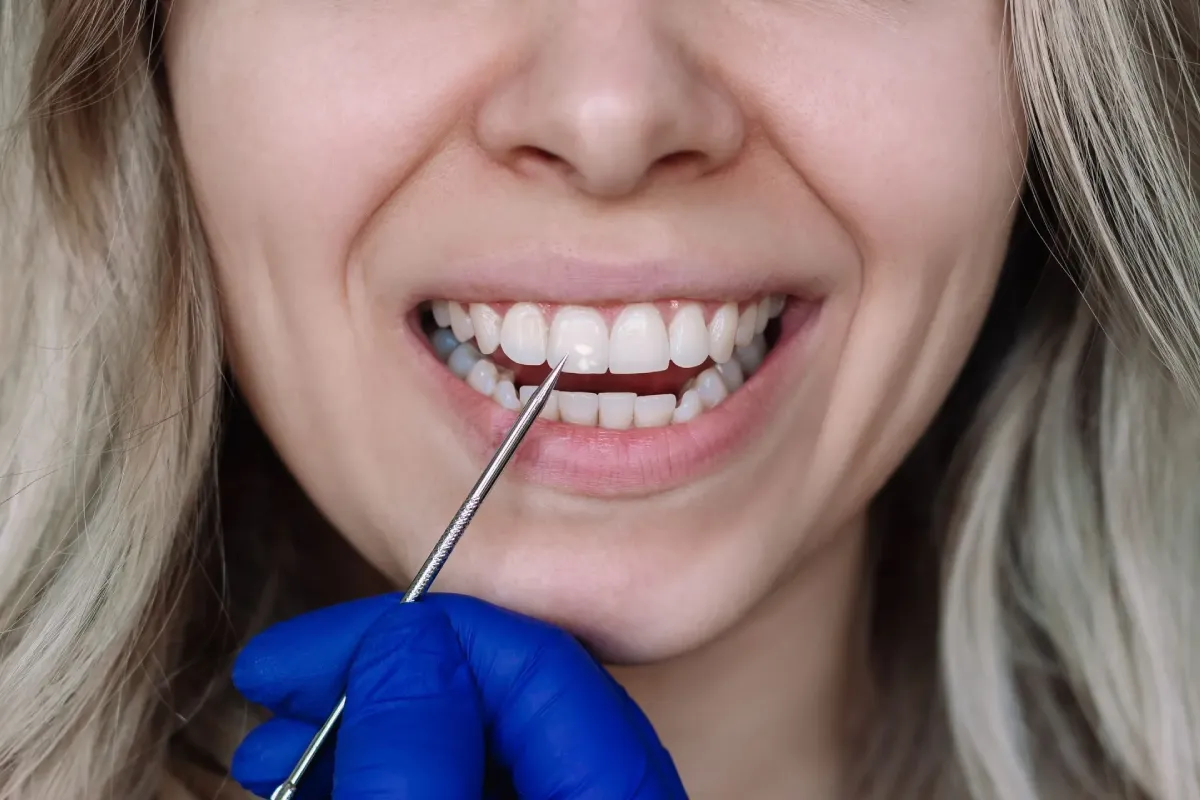
An overbite looks like your upper front teeth covering a significant portion of your bottom front teeth when your back teeth are touching. And in severe cases, you might not even be able to see your lower teeth at all. Here’s a quick way to see if you might have an overbite, and while it’s not a diagnosis, it can be a good way to know if it’s worth setting up a consultation with an orthodontist.
1: Bite Down Normally: Make sure your back teeth are together, not clenched, just resting in their natural positions.
2: Pull Your Lips Back: You’ll want to be able to see your front teeth clearly.
3: Look at Your Bottom Front Teeth: If you can see most of your bottom front teeth and it seems like only about the top third of them are covered, then you’re likely in a normal range. Meanwhile, if you can barely see them, or can’t see them at all, that’s a deep bite.
4: Check Where Your Lower Teeth Land: If your bottom front teeth are hitting the backs of your upper front teeth and resting on that ridge, you’re in a good spot, but if your bottom teeth are hitting your gums or roof of your mouth then that’s a clear sign of a problem.
If it seems like you do in fact have an overbite, or even if you’re unsure, it’s worth setting up an appointment with an orthodontist, so they can determine where your bite stands.
Overjet vs Overbite: What’s the Difference?
Simply put, an overbite is vertical, while overjet is the horizontal distance between the upper and lower front teeth. This is a common mix up, where somebody whose upper front teeth are angled outward thinks they have an overbite, when in reality they have excess overjet. When somebody describes their teeth “sticking out” or uses the phrase “buck teeth” it’s likely that it’s not an overbite, but rather excessive overjet. Let’s break down the overjet vs overbite comparison in a table to make things easy:
The American Association of Orthodontists notes that “deep bite” and “overbite” get used interchangeably and that these also get frequently confused with overjet. To add to the general confusion, you can actually have both excess overbite and excess overjet at the same time. In fact, it’s rather common, which is likely why there’s so much confusion around the terms.
The reason it’s important to distinguish between the two is because treatment is different depending on if you have an overbite, overjet, or both.
What Causes an Overbite?
There are two things that can cause an overbite: the positioning of your teeth and the positioning of your jaws.
Dental Overbite
A dental overbite is when your jaws are in alignment but the teeth have ended up in problematic vertical positions.
This could be on the developmental front, where the front teeth erupted further than they should have, or where the back teeth didn’t erupt quite far enough. Or a combination of both.
It could also be something that develops later in life. For example, losing back teeth without replacing them can cause teeth to drift and tip into the empty space, which in effect can deepen your bite. Also, years of grinding can wear down your back teeth, leading to the same result.
Skeletal Overbite
A skeletal overbite is a matter of how your jaws develop, and is usually when your lower jaw is smaller and set further back than your upper jaw. This is largely genetic.
Since this type of overbite depends on jaw growth, the AAO recommends that you bring your child in for their first orthodontic consultation by the age of 7. When bite discrepancies like overbites are caught early, growth of the jaw can be guided, potentially avoiding the need for more complex treatment down the road.
Is an Overbite Bad?
The answer to if an overbite is bad depends on the severity of the overbite, where a mild overbite may not be problematic, but a deep overbite that is left alone for years can have some real consequences.
According to the American Association of Orthodontists, an untreated deep bite can lead to issues like enamel wear, gum damage, and painful sores on the roof of the mouth, as well as crowding and spacing problems. The reason for these issues is that your bottom front teeth start making contact with parts of your mouth that aren’t built to take on contact from your bottom teeth throughout the day.
In addition, a deep bite leads to excessive stress on the teeth, which often leads to premature wearing down of the edges, in which the teeth start to chip off and appear shorter over time. This stress also frequently leads to clicking, popping, and pain in the jaw joint (TMJ). Overbites also tend to narrow the smile, as the upper back teeth often must tip inward in order to make contact with the lower teeth.
Can You Fix an Overbite Naturally?
No. There isn’t an exercise, posture technique, or at home method that corrects an overbite. In fact, some of the things you might find on the internet for “how to fix overbite naturally” can cause real damage.
It’s important to be wary of forum threads or videos by people who aren’t clinicians, as DIY methods that promise to fix your overbite can be dangerous. From rubber bands to filing teeth down to mail order gadgets, the internet is filled with misinformation. And some of these methods can cause irreversible damage including permanent gum damage, root damage, and tooth loss.
Something else you might come across as a natural overbite fix is tongue posture and mewing. First things first, neither of these are going to have the ability to move the teeth and jaws of an adult.
It’s also important to separate these two concepts, as practicing proper tongue posture is not the same thing as mewing. Tongue posture has studied benefits for your oral health, while mewing is a viral online trend that doesn’t have any scientific evidence supporting its claims. And the American Association of Orthodontists has warned against it directly.
The good news though is that actual overbite treatment from an orthodontist is well established and less involved than most people expect.
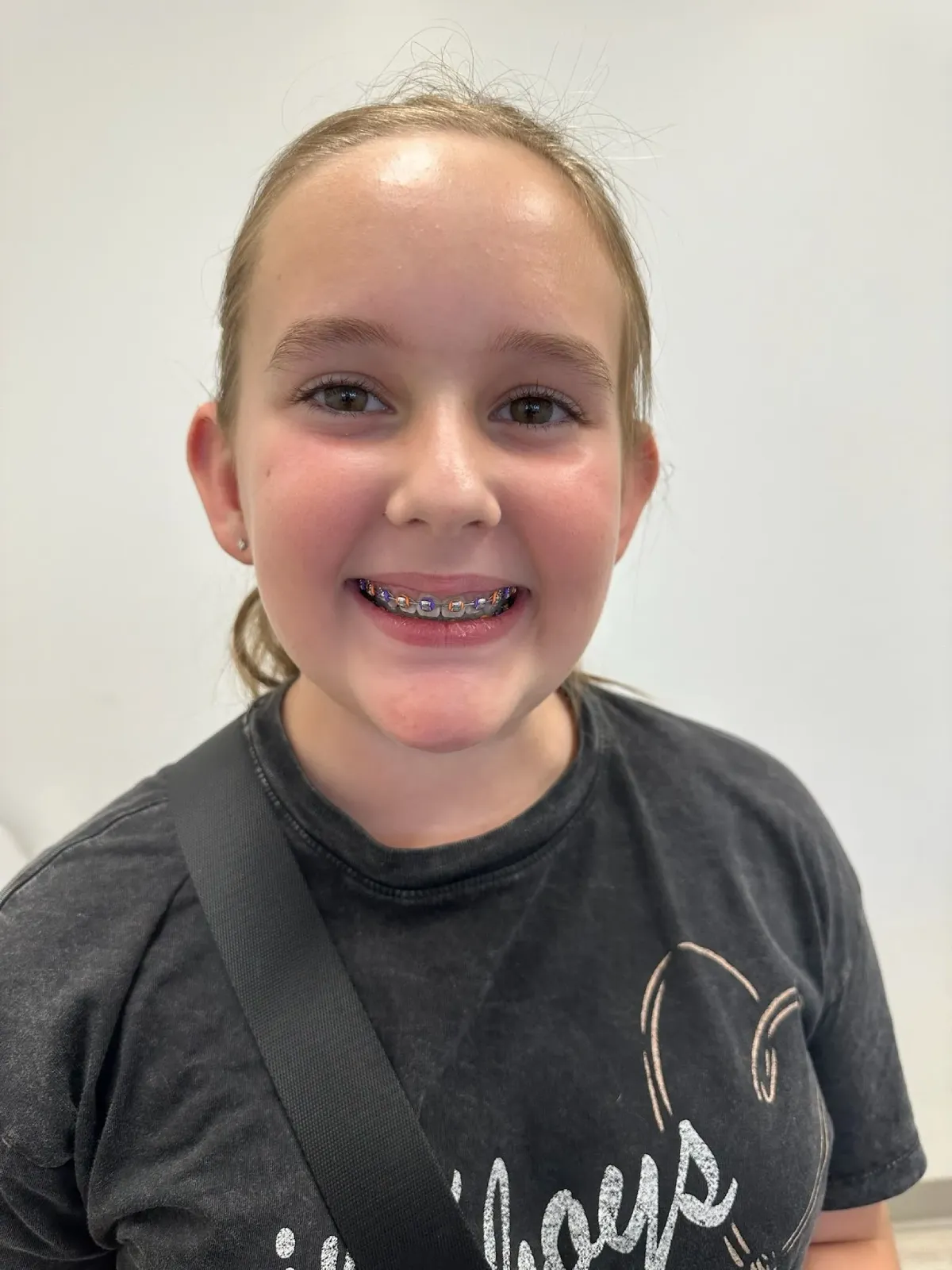
Do Braces Fix an Overbite?
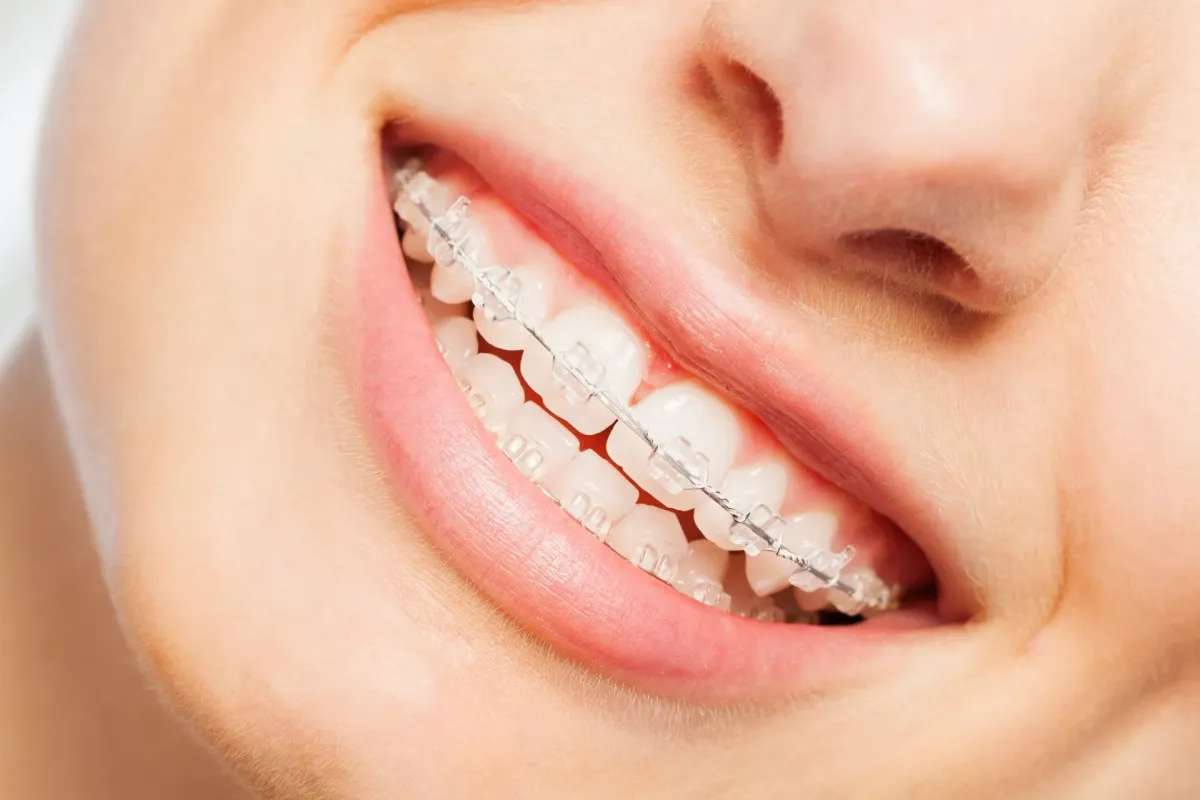
Yes. Braces can correct many overbites, and for the majority of patients it’s actually a normal part of a comprehensive treatment plan rather than something separate.
How is an Overbite Corrected?
Correcting an overbite involves determining the best way to reduce the vertical overlap of the upper front teeth over the lower front teeth.
There are a few common ways to accomplish this, and they are often used in combination with one another:
Moving the upper front teeth up or the lower front teeth down: In this case, a force is applied to push the front teeth back into the bone. Whether the upper front teeth are pushed up or the lower front teeth are pushed down may depend on the orthodontist’s goal for your smile and how much tooth display you’d like to show while smiling. For example, if you want to show less teeth and gums when smiling, the upper front teeth should be pushed up. Be sure to tell your orthodontist what your goals are for your smile, and you’ll want to ensure you’re being treated by an orthodontist who pays attention to these details in the smile–because some orthodontists focus mostly on your bite without paying as much attention to the esthetic details of your smile.
Bringing the back teeth down: Shifting the molars and premolars down, also called extruding them, props the bite open at the front. A small amount of movement in the back can make a big difference in opening things up in the front.
Bite turbos or bite ramps: These are small raised attachments that are bonded to the back of the upper front teeth. They serve two purposes. First, they prevent the upper teeth from crashing into brackets that are placed on the lower teeth. In some deep bite cases, the overlap is so extreme that these bite ramps are the only way to get brackets on the lower teeth. Second, by holding the back teeth apart, they create space for the back teeth to become extruded.
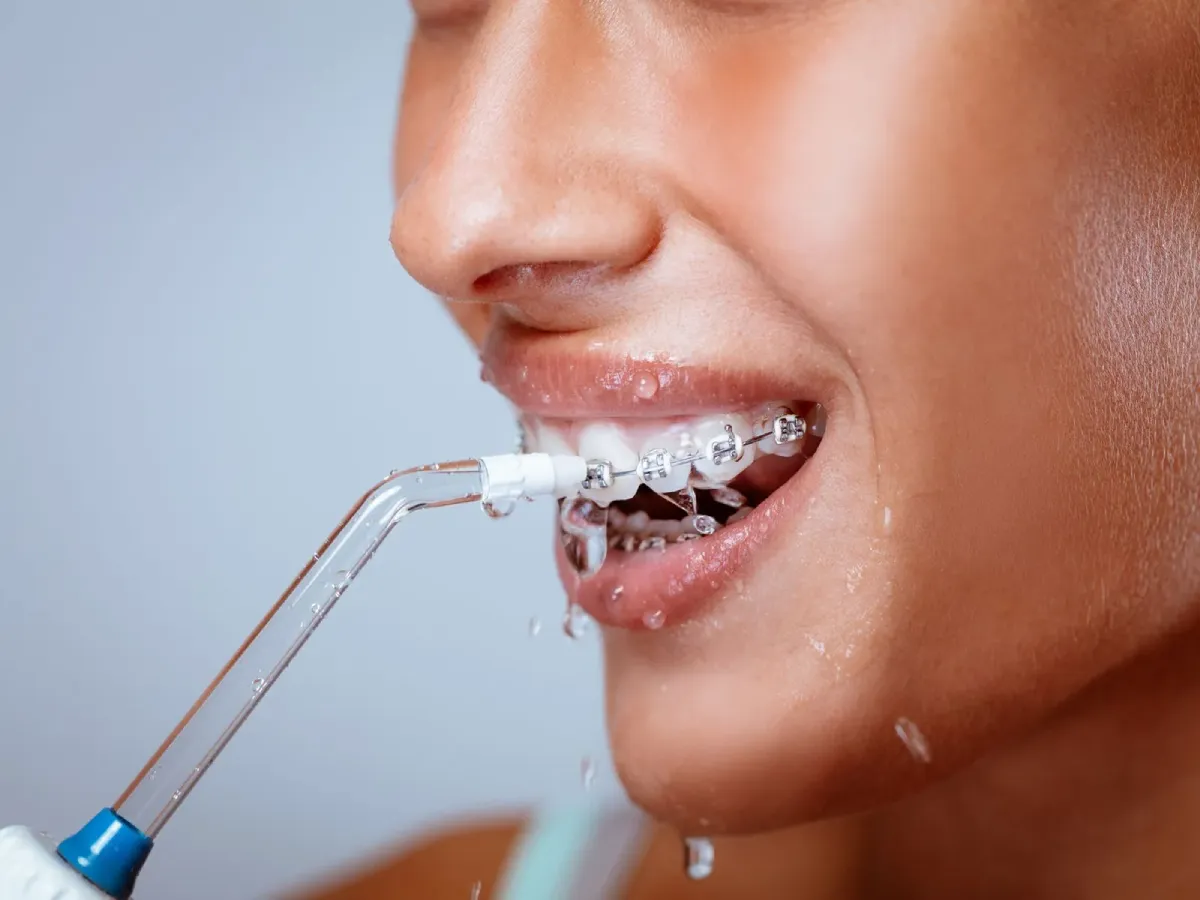
Elastics: These are small rubber bands that are worn between the upper and lower brackets, applying pressure in a way that helps bring the jaws and teeth into proper alignment.
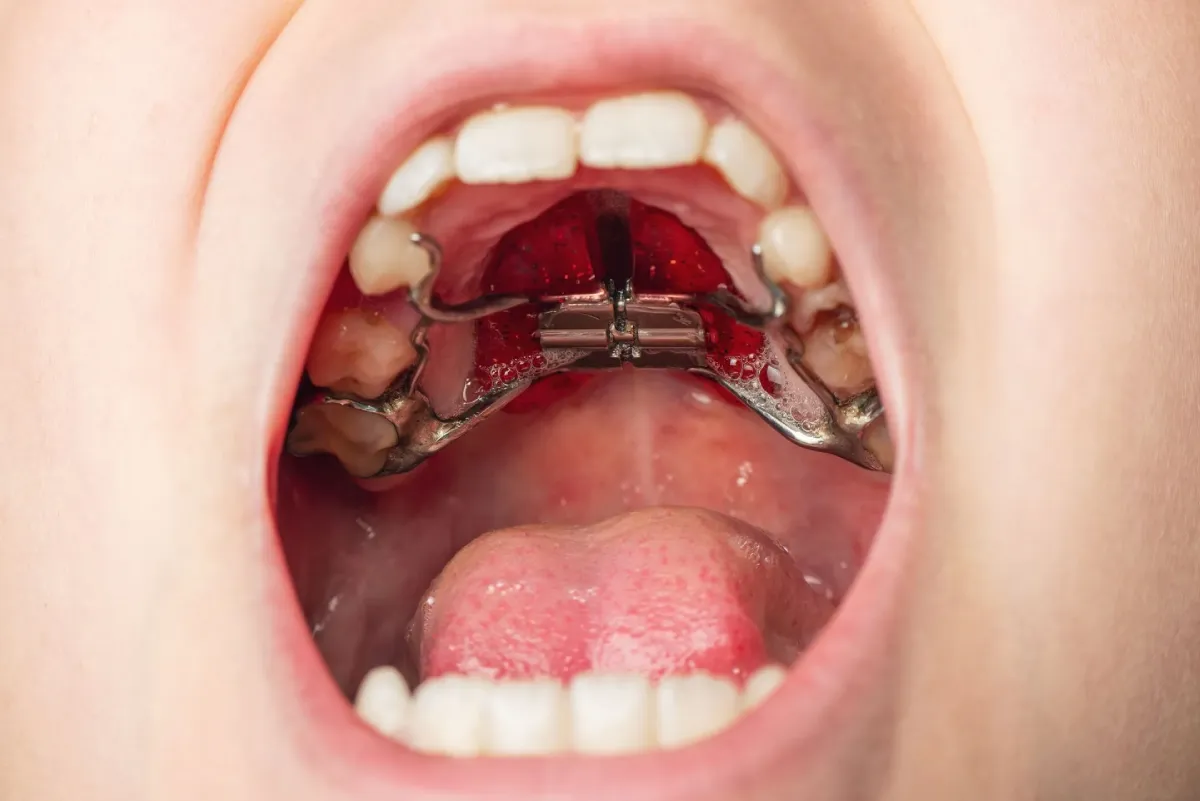
Appliances (such as Herbst, MARA, or “springs”): These are orthodontic devices that help to move the top teeth back and the bottom teeth forward to correct an overbite, and can replace the need for elastics. They are especially helpful in severe overbite and overjet cases and in situations where elastic compliance is poor.
Every bite is different, which is why the treatment types and combination of methods used vary case by case.
How Long Does It Take to Fix an Overbite?
Most overbite corrections take somewhere between 12 and 24 months. How deep the bite is, whether it’s dental or skeletal, and how your body responds to treatment, are all factors that can impact the timeline. After evaluating your bite and getting the necessary imaging, your orthodontist will be able to determine what a realistic timeline looks like.
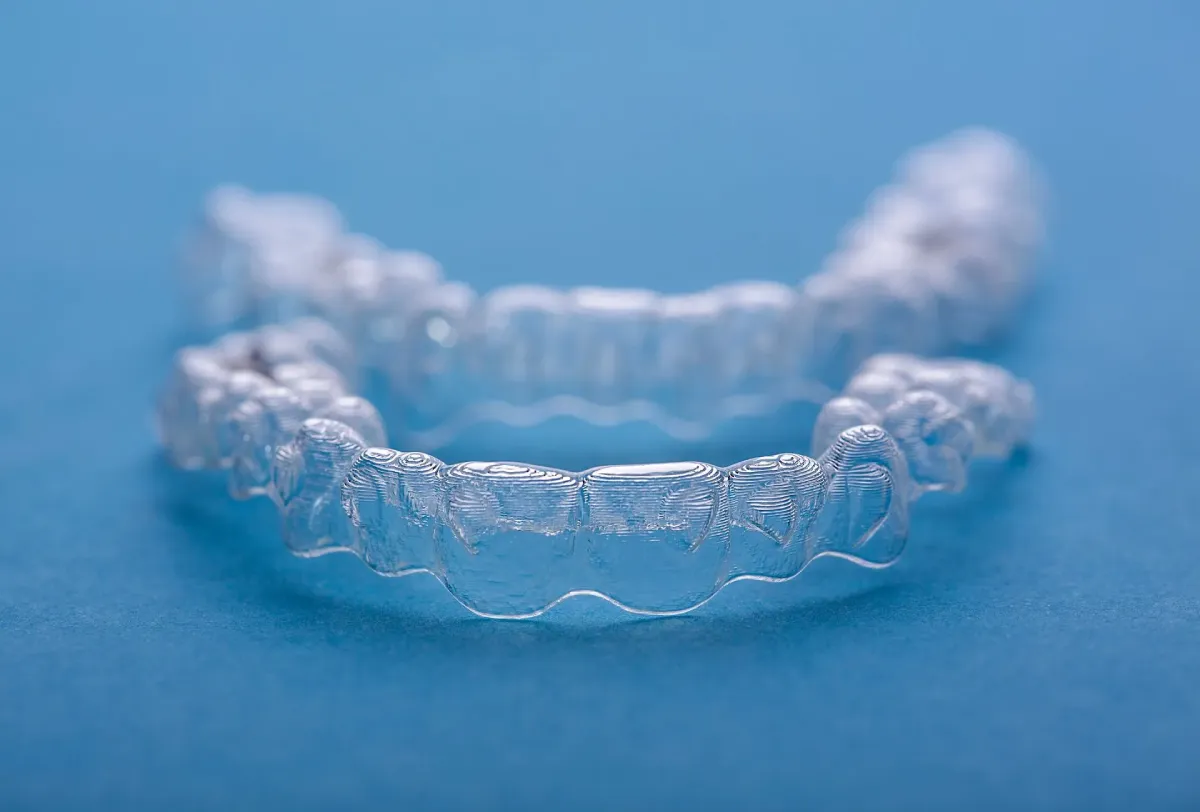
Can Invisalign or Clear Aligners Fix an Overbite?
Yes, they can but it depends on the case severity. The vertical movements required to open a deep bite (intruding the front teeth and extruding the back teeth) are some of the more difficult movements to accomplish with aligners.
A 2025 review in Seminars in Orthodontics looked at 26 years of clear aligner treatments and found that when an aligner treatment plan says your overbite will change by a certain amount, Invisalign on average delivered less than half of that predicted movement. Thus, if correcting deep overbites is the goal, then braces may be the more effective tool.
This doesn’t mean that aligners can’t work. For a significant deep overbite, braces tend to be the more predictable option. But a mild overbite could be a different story, so it’s worth discussing with your orthodontist which route makes the most sense.
Does Every Overbite Need Braces?
No. A mild overbite without any symptoms, for example, could be something that your orthodontist just wants to monitor rather than treat.
When Does Jaw Surgery Come Into the Picture?
For adults who have significant skeletal overbites, there are a couple of different paths:
The first is jaw surgery combined with orthodontics, and is for severe or more complex overbite cases that can’t be solved with orthodontics alone.
The other path is for more mild to moderate cases and is simply using braces to move teeth to positions that compensate for the jaw discrepancy. So, with this treatment plan, the jaws aren’t actually being repositioned, but they do bring new functionality to the mouth.
A technology that has expanded what’s possible for this type of treatment is TADs (temporary anchorage devices). This treatment uses small anchors that are placed in the jawbone, which give braces a fixed point to push or pull against, and allow an orthodontist to apply more precise forces when moving everything into alignment.
So, What Should You Do About Your Overbite?
A couple millimeters of overlap is healthy, but if you’re experiencing a significant vertical overlap of your upper front teeth over your lower front teeth, then it’s time to have an orthodontist take a look. Also, if you have a significant overjet (or horizontal gap between your upper and lower front teeth), that should be evaluated too.
You can only gain so much info looking at your bite in the mirror. An orthodontist, on the other hand, can determine if your overbite is dental or skeletal, whether it’s stable or getting worse, and what’s required to correct it.
If you’re in Bakersfield, CA and have questions about your bite and want us to take a look, reach out to us at Cardall Orthodontics. With 900+ five star reviews and having been voted best orthodontist in Bakersfield every year since 2020, we’re well positioned to help you figure out the best path forward. Schedule a free consultation today!
Sources
- Cleveland Clinic. Overbite: how to fix a deep bite. https://my.clevelandclinic.org/health/diseases/21473-overbite
- Cleveland Clinic. Overjet (buck teeth): what it is & how to fix it. https://my.clevelandclinic.org/health/diseases/overjet
- American Association of Orthodontists. What is a deep bite? Causes, concerns, and corrections. https://aaoinfo.org/whats-trending/what-is-a-deep-bite/
- American Association of Orthodontists. Does mewing actually reshape your jaw? https://aaoinfo.org/whats-trending/is-mewing-bad-for-you/
- American Association of Orthodontists. The milestone visit: why age 7 is the best age for orthodontic treatment. https://aaoinfo.org/whats-trending/when-should-my-child-see-an-orthodontist-age-7/
- Blundell HL. Deep bite correction with clear aligners — after 26 years where are we at? Semin Orthod. 2025. https://www.sciencedirect.com/science/article/pii/S1073874625000192